

Coal & Coke Supplier & Exporter — Coking Coal, Steam Coal, Anthracite and Metallurgical Coke
Raiva International Trading Group supplies the full carbon range for iron, steel and process heat — washed coking coal for coke ovens, steam and thermal coal from 5500 to 7580 kcal/kg, high-carbon anthracite, and metallurgical coke from 3–5 mm nut coke up to +80 mm foundry lump. Shipped in bulk or jumbo bags, ex-mine, to the eastern border crossings or FOB, with a batch-specific Certificate of Analysis.
Supply capability at a glance
25 MT
MOQ — bagged (1 × 20ft)
500 MT
MOQ — bulk vessel
7–14 days
Lead time, standard grades
Per batch
Certificate of Analysis
Our Coal & Coke Product Range
Four product families, separated by what the carbon is for: making coke, making heat, or going into the furnace already coked. Open a product for its full analysis, reference methods and trade terms.
 CSR 48–55
Coke Oven Feed · Washed concentrate
Coking Coal (Metallurgical Coal)
Washed coking concentrate with volatile matter 26–28%, CSR 48–55, free swelling index 4 and caking index G 70 — a genuine caking coal for coke-oven blends rather than a thermal coal sold as one.
Coking coal analysis & indices 5500–7580 kcal
Thermal Grades · 0–150 mm
Steam Coal & Thermal Coal
Fourteen separately certified thermal grades from 5500 to 7580 kcal/kg, ash 12 to 26% and sulfur down to 0.14%, screened 0–10, 0–30, 0–50 or 0–150 mm for boilers, kilns and sponge iron.
Compare all thermal coal grades F.C 83.9%
High Carbon · Low Volatile
Anthracite Coal
Fixed carbon 83.9% with ash 8.4%, volatile matter 7.7% and moisture 0.5% — a fuel ratio near 11, for sintering, carbon injection, recarburising and filtration media.
Anthracite analysis & uses CSR 37–41
Blast Furnace & Foundry · 3–140 mm
Metallurgical Coke
Blast-furnace coke 60–140 mm at fixed carbon 80–85% and CSR 37–41, plus +60 and +80 mm foundry lump at F.C above 82% and 3–5 mm nut coke at 7000–7500 kcal/kg.
Coke grades, sizes & drum strengthWhich Carbon Do You Need?
All four are carbon, and that is where the similarity ends. What separates them is whether the coal cakes when heated, how much of its mass is volatile, and whether it has already been through a coke oven.
| Property | Coking Coal | Steam Coal | Anthracite | Met Coke |
|---|---|---|---|---|
| Fixed carbon | 54 – 60% | 57.7 – 65% | 83.9% | ≥ 80% |
| Ash | 11 – 12% | 12 – 26% | 8.4% | ≤ 17% |
| Volatile matter | 26 – 28% | 9 – 30% | 7.7% | ≤ 2.5% |
| Total sulfur | 1 – 1.2% | 0.14 – 1.9% | On CoA per batch | ≤ 1.8% |
| Calorific value | 6500 – 7500 | 5500 – 7580 | On CoA per batch | 7000 – 7500 |
| Caking behaviour | FSI 4, G 70, CSR 48–55 | Non-caking | Non-caking | Already coked |
| Size supplied | 60% > 1 mm | 0–10 to 0–150 mm | Screened to order | 3–5 to +80 mm |
| What it is for | Coke-oven blends | Boilers, kilns, sponge iron | Sintering, injection, filtration | Blast furnace, cupola |
| Full specifications | Coking coal | Steam coal | Anthracite | Met coke |
Bespoke Supply
Need a grade that is not on this page?
Ash, sulfur, calorific value and size fraction can all be matched from the working faces and washeries we buy from, and blends can be built to hit a target CSR or a target ash. Send us your specification with the tonnage and destination and we will confirm what is loading and when.
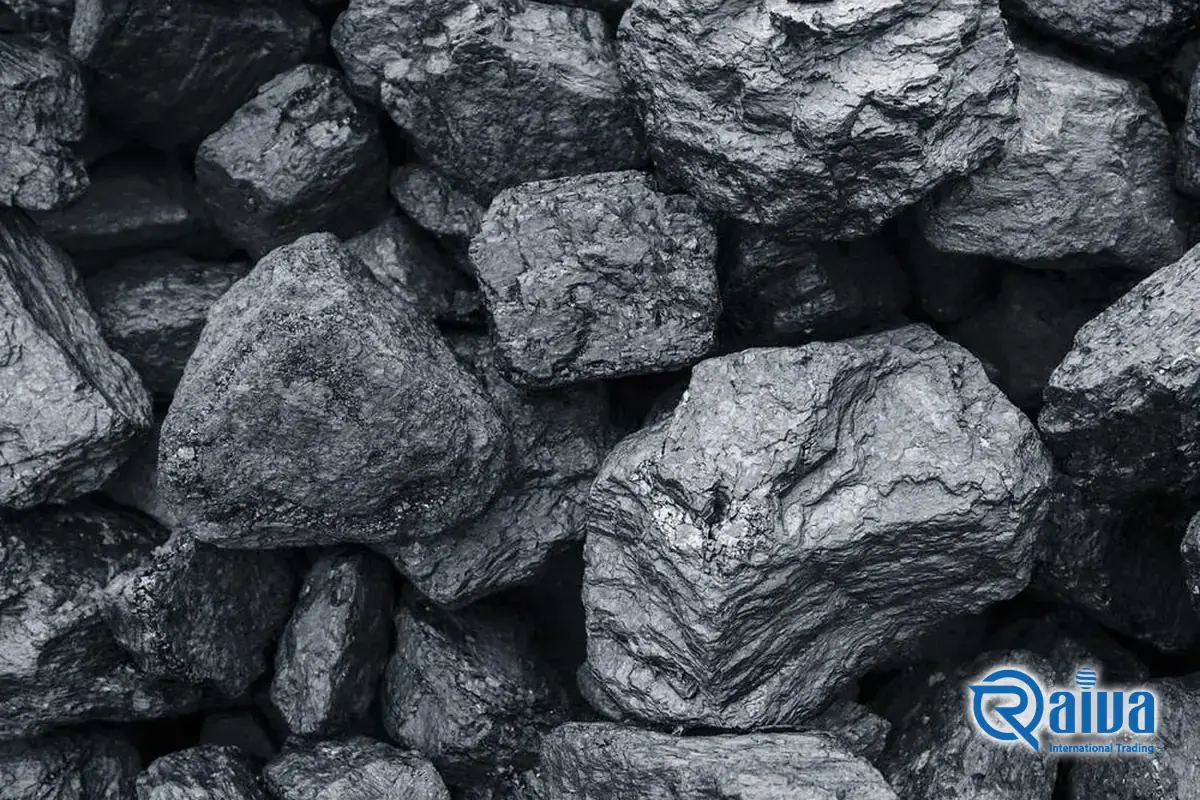
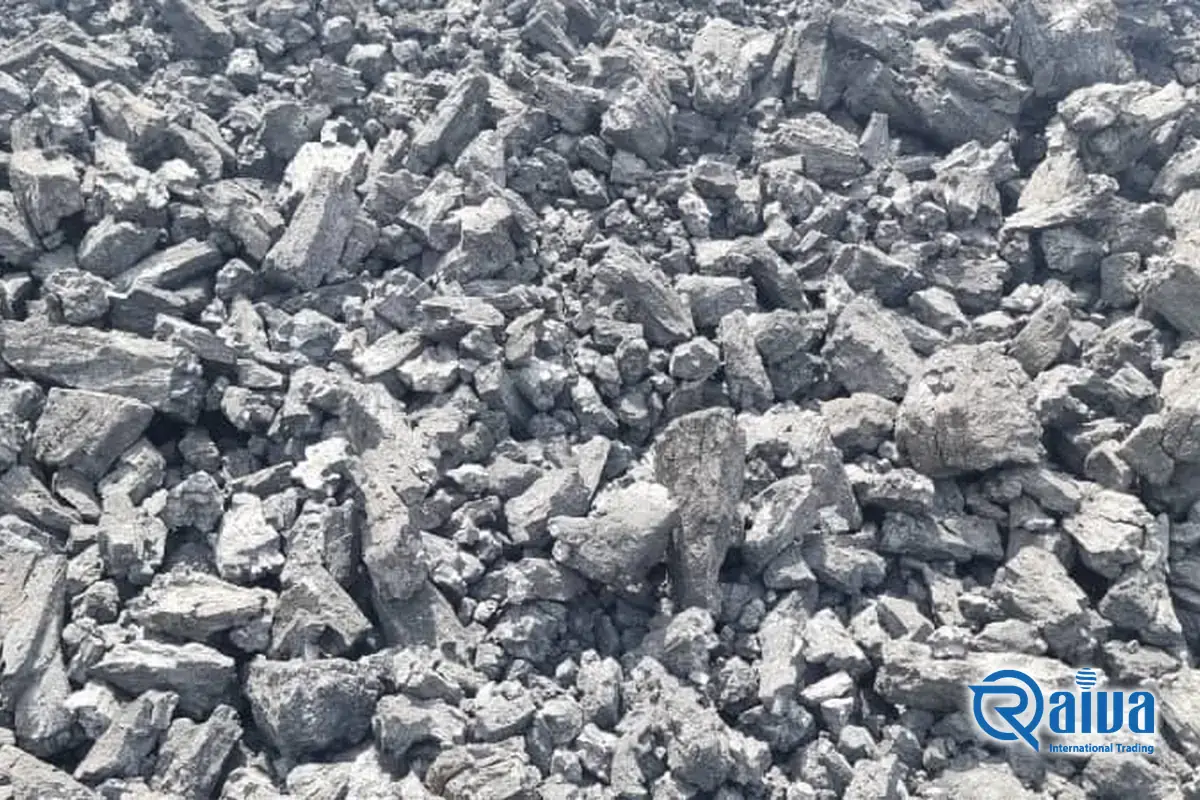
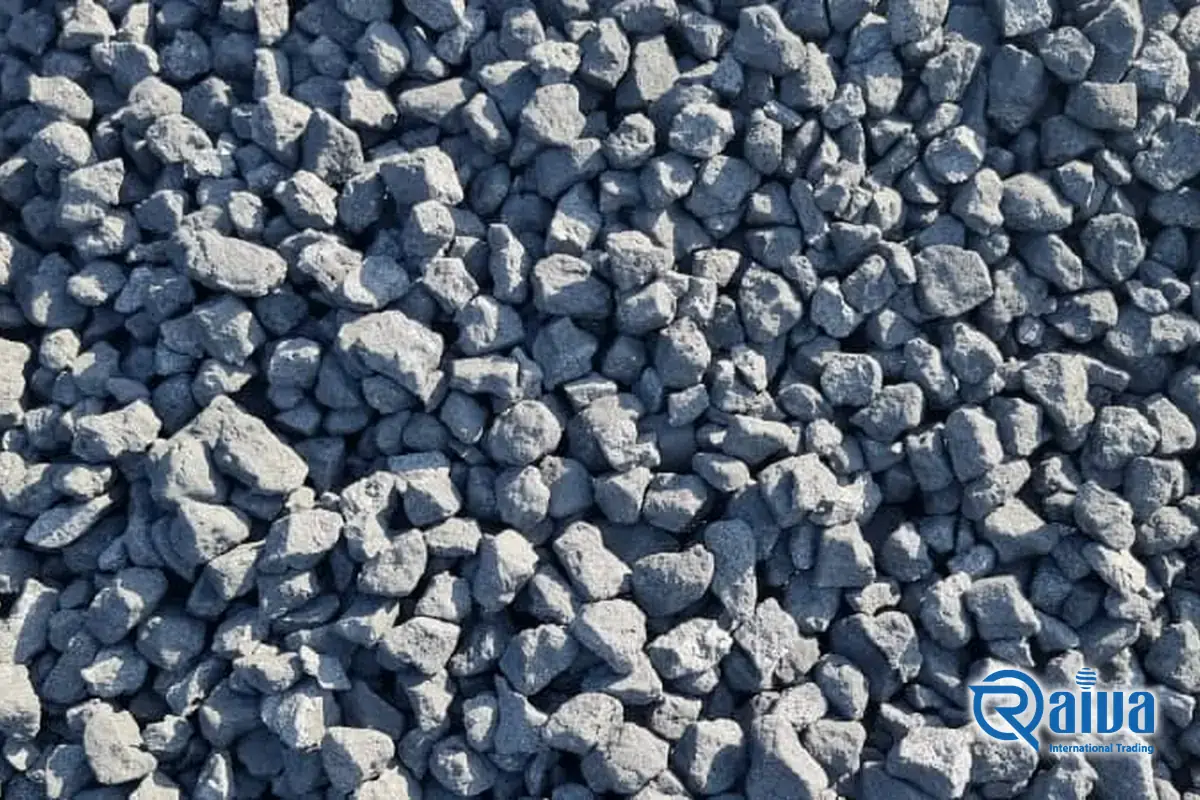
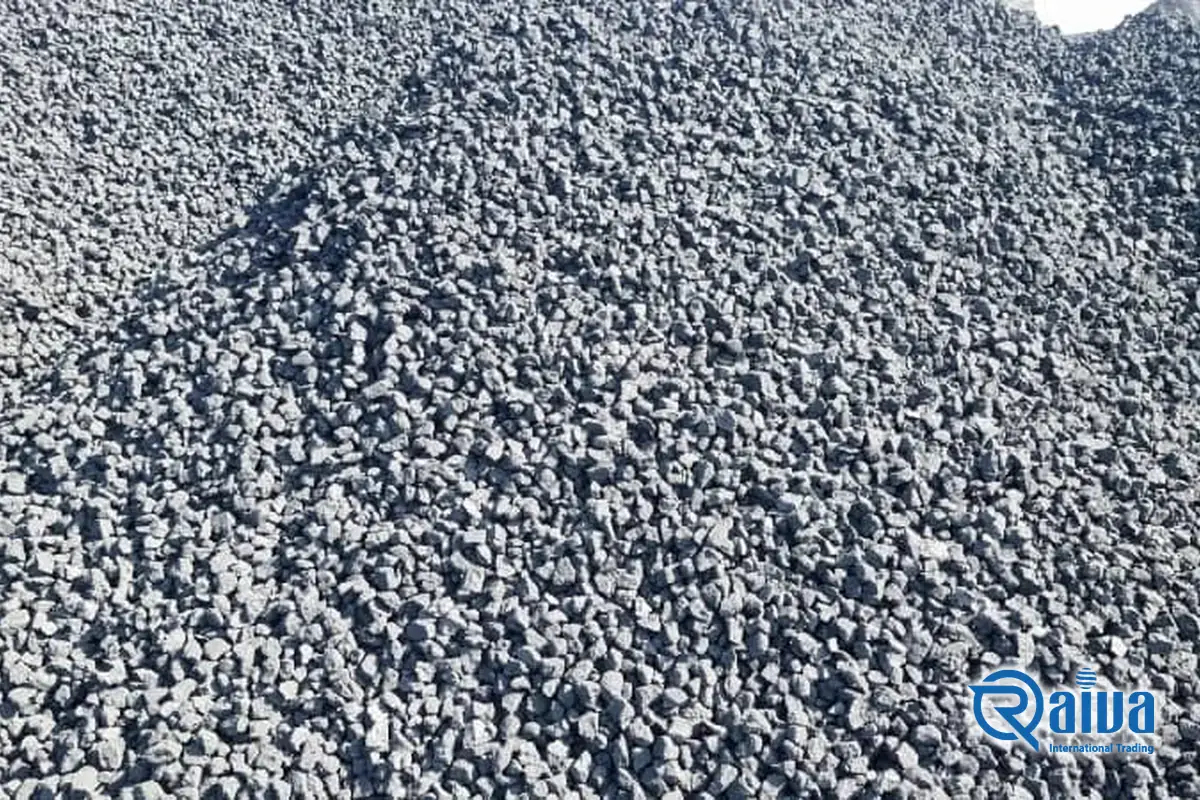
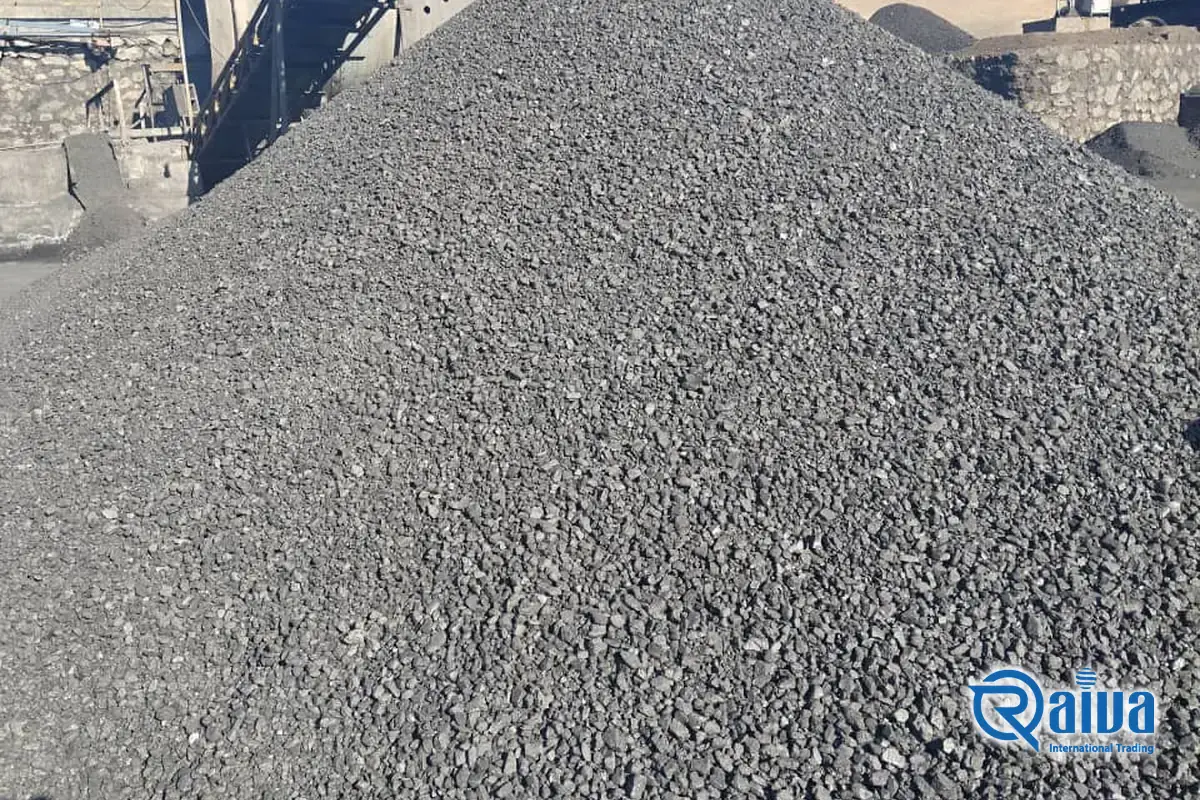
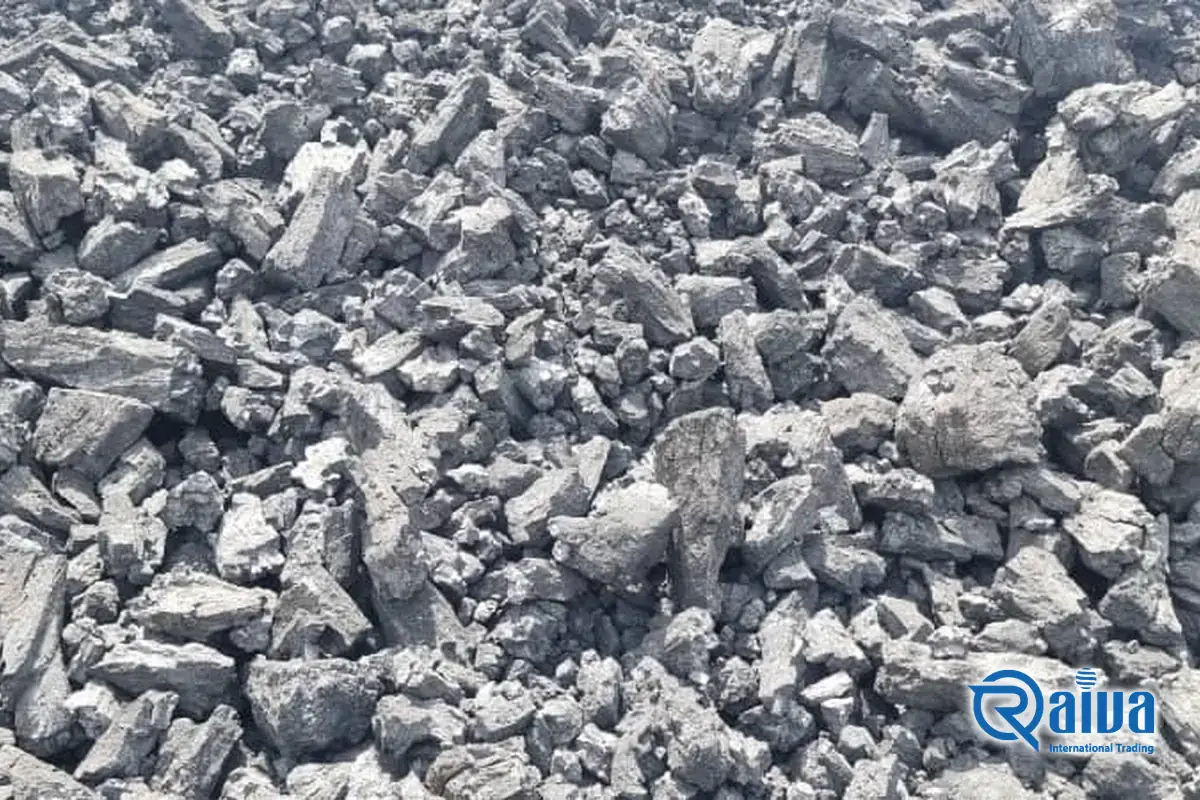
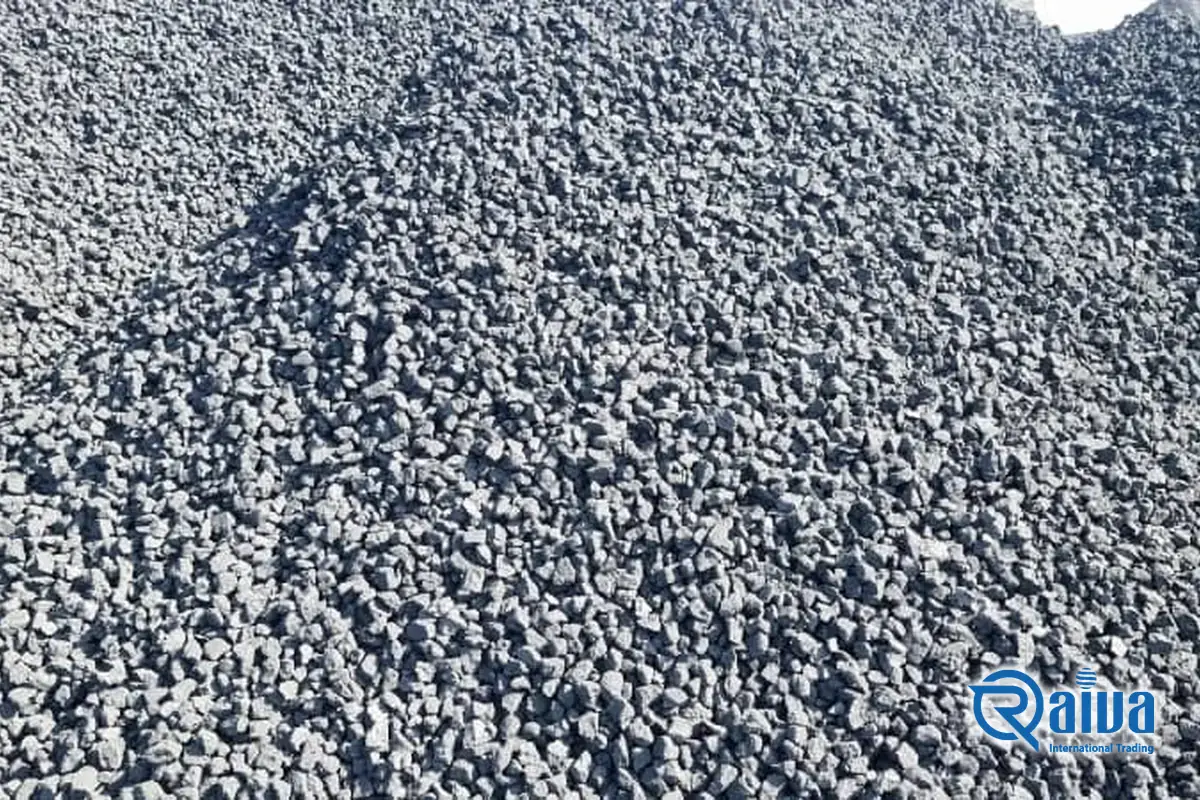
Product Gallery
Material as it is stored, graded and loaded for export.
Logistics & Trading Terms
The commercial terms we work to on every coal and coke shipment. Anything here can be adjusted by agreement — tell us what your operation needs.
- Minimum Order Quantity
- 500 MT for bulk vessel or a single border consignment. Truck-load quantities are available for ex-mine and border delivery, and trial tonnages can be arranged so you can burn or coke the material before committing.
- Packaging
- Bulk loading as standard, or 1–1.5 MT woven jumbo bags. Screened to the agreed fraction before loading, with oversize and undersize limits fixed per contract.
- Incoterms & Loading Ports
- EXW, FOB, CFR and CIF (Incoterms® 2020). Ex-mine either customs-cleared or uncleared, delivered to the Rimdan or Mirjaveh/Taftan border crossings, or FOB Bandar Abbas and Bandar Imam Khomeini.
- Quality Certification
- Batch-specific CoA with every shipment covering proximate analysis, total sulfur and calorific value, plus caking indices on coking coal and drum strength on coke. Independent inspection by SGS, Bureau Veritas or an inspector of your choice can be arranged at the buyer’s cost.
- Lead Time
- 7–14 days for standard grades after order confirmation; 15–25 days for custom-milled or specially packed material.
- Storage & Handling
- Store in compacted, sloped stockpiles and keep pile heights moderate. Fine coal oxidises and can self-heat, so long-term stock should be monitored for temperature and rotated oldest-first. Keep fines wetted down in dry weather to control dust.
Certificate of Analysis
A batch-specific CoA is issued with every shipment. Third-party inspection by SGS, Bureau Veritas or an inspector of your choice can be arranged at the buyer’s cost.
Ready to quote
Send us your grade, tonnage, destination port and packaging and we will return a firm FOB/CFR/CIF price with lead time.
Request a Coal or Coke QuoteFrequently Asked Questions
Common questions from industrial buyers sourcing coal and coke in bulk.