

Anthracite Coal Supplier & Exporter — Fixed Carbon 83.9%
C Anthracite · Fixed Carbon 83.9%
High-carbon anthracite coal at 83.9% fixed carbon, with ash 8.4%, volatile matter 7.7% and moisture 0.5% — a fuel ratio close to 11, which is what puts it in the anthracite class rather than at the top of the bituminous range. Supplied for sintering, carbon injection, recarburising and filtration media, screened to order with a batch-specific Certificate of Analysis.
 F.C 83.9%
Supply capability at a glance
83.9%
Fixed carbon
8.4%
Ash
7.7%
Volatile matter
Per batch
Certificate of Analysis
Physical Properties
HS Code
2701.11
Fixed Carbon
83.9%
Ash
8.4%
Volatile Matter
7.7%
Moisture
0.5%
Fuel Ratio
10.9
Synonyms: Anthracite, Hard Coal, Stone Coal, Carbon Additive, Anthracite Filter Media · Hard, dense, submetallic-lustred black coal that breaks with a conchoidal fracture.
Six-digit WCO heading — national subheadings vary by destination.
Grades & Chemical Analysis
One certified anthracite analysis. Four figures decide everything about how an anthracite behaves — how much carbon there is, how much ash comes with it, how little volatile matter is left to burn off, and how dry it arrives.
High Carbon Grade — Proximate analysis
Anthracite Coal — Certified Analysis
- Fixed Carbon
- 83.9%
- Ash
- 8.4%
- Volatile Matter
- 7.7%
- Moisture
- 0.5%
- Fuel Ratio (fixed C / volatile)
- 10.9
- Total Sulfur
- Reported on the batch CoA
- Calorific Value
- Reported on the batch CoA
- Size
- Screened to order
Proximate analysis as reported on the producer certificate. The fuel ratio is calculated from the reported fixed carbon and volatile matter, not separately measured. Total sulfur, calorific value and size were not stated on this certificate; they are determined and reported per batch on the Certificate of Analysis, and we will not quote a figure for them ahead of that. Independent inspection can be arranged at the buyer’s cost.
Bespoke Supply
Need a specific size cut or a calcined grade?
Anthracite is usually specified by size band as much as by chemistry — filter media, sinter fuel, injection coal and recarburiser all want different cuts of the same coal. Tell us your size band, your ash ceiling and what the carbon is for, and we will confirm what can be screened and in what tonnage.
Applications
Anthracite is bought for its carbon, not its flame. Almost every use is a place where you want carbon delivered without the volatile matter, smoke or fines that a softer coal brings with it.
Iron Ore Sintering
Solid fuel in the sinter mix, low in volatile matter.
Pulverised Coal Injection
Injectant through blast furnace tuyeres.
Recarburiser & Carbon Additive
Carbon raiser in electric arc and ladle metallurgy.
Water Filtration Media
Dual-media filter beds above sand.
Lime & Cement Kilns
Low-volatile kiln fuel for stable flame shape.
Ferroalloy Smelting
Carbon reductant in submerged arc furnaces.
Activated Carbon
Feedstock for hard, high-density activated carbon.
Industrial & Domestic Heating
Smokeless fuel for stoves and shaft furnaces.
Carbon Electrode Paste
Carbon component in electrode and lining pastes.
Product Gallery
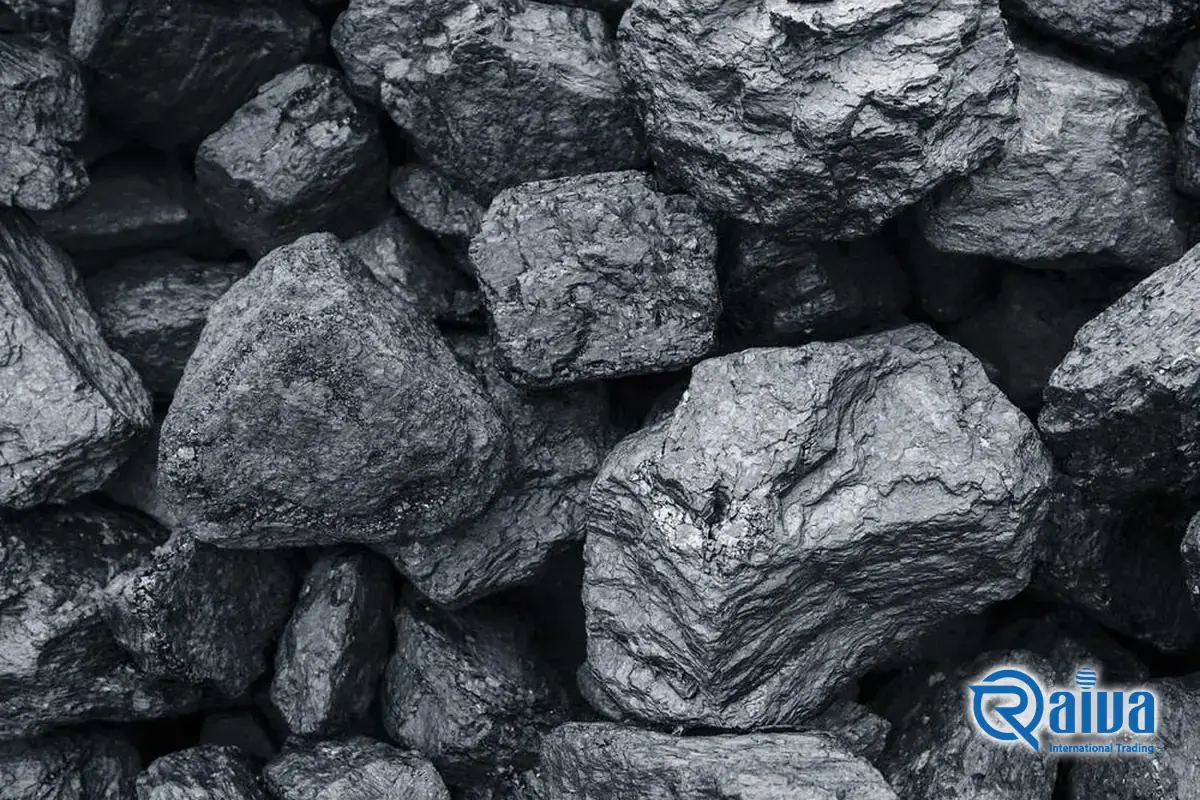
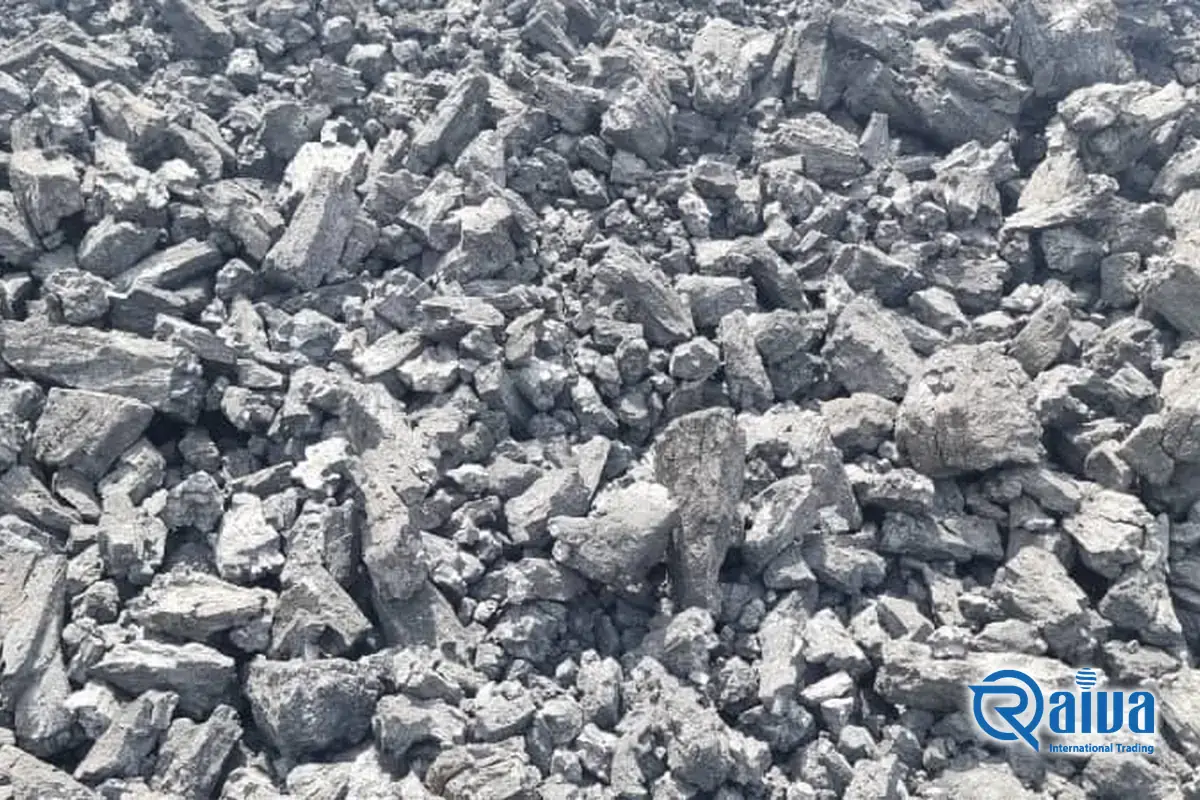
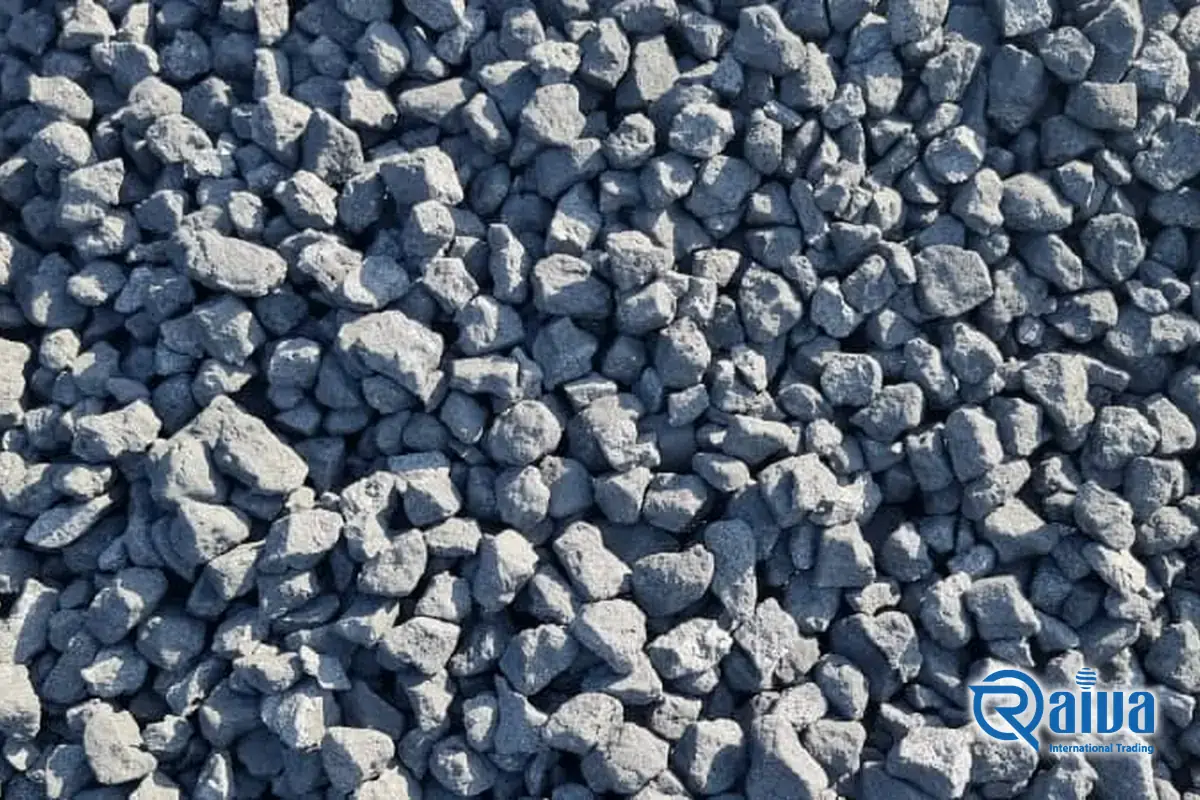
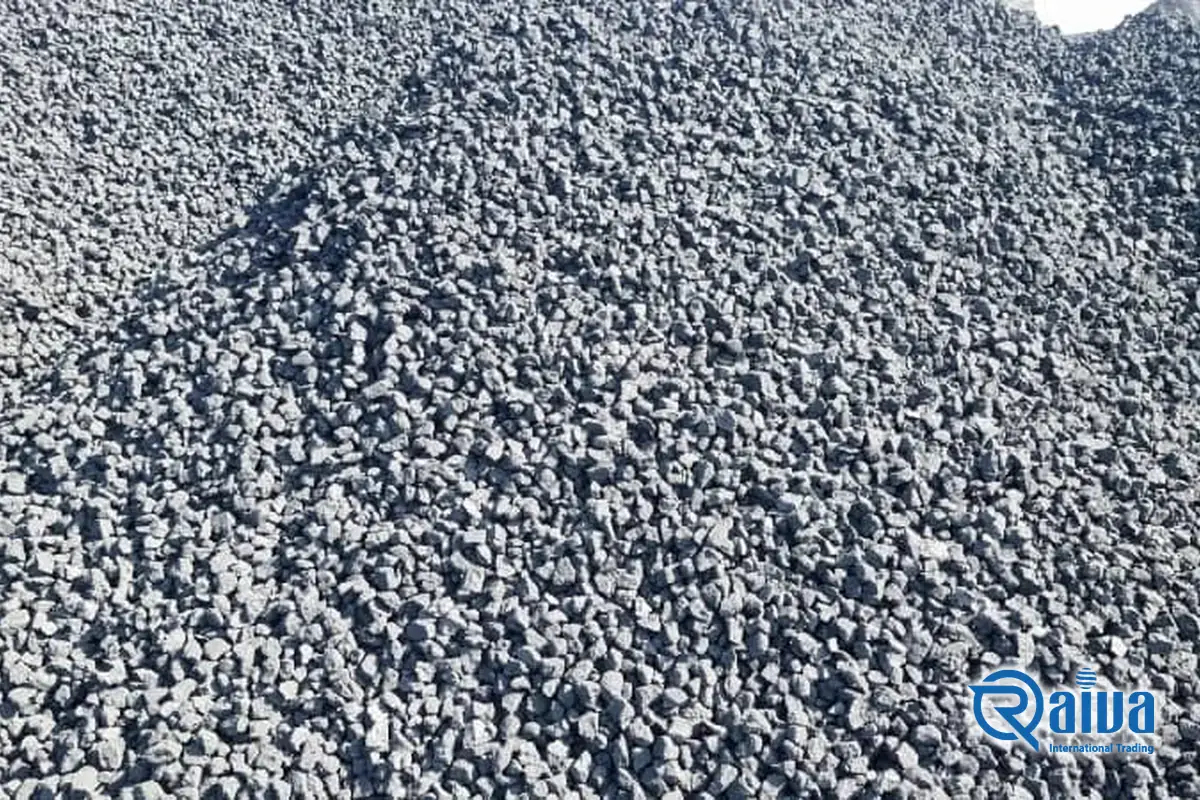
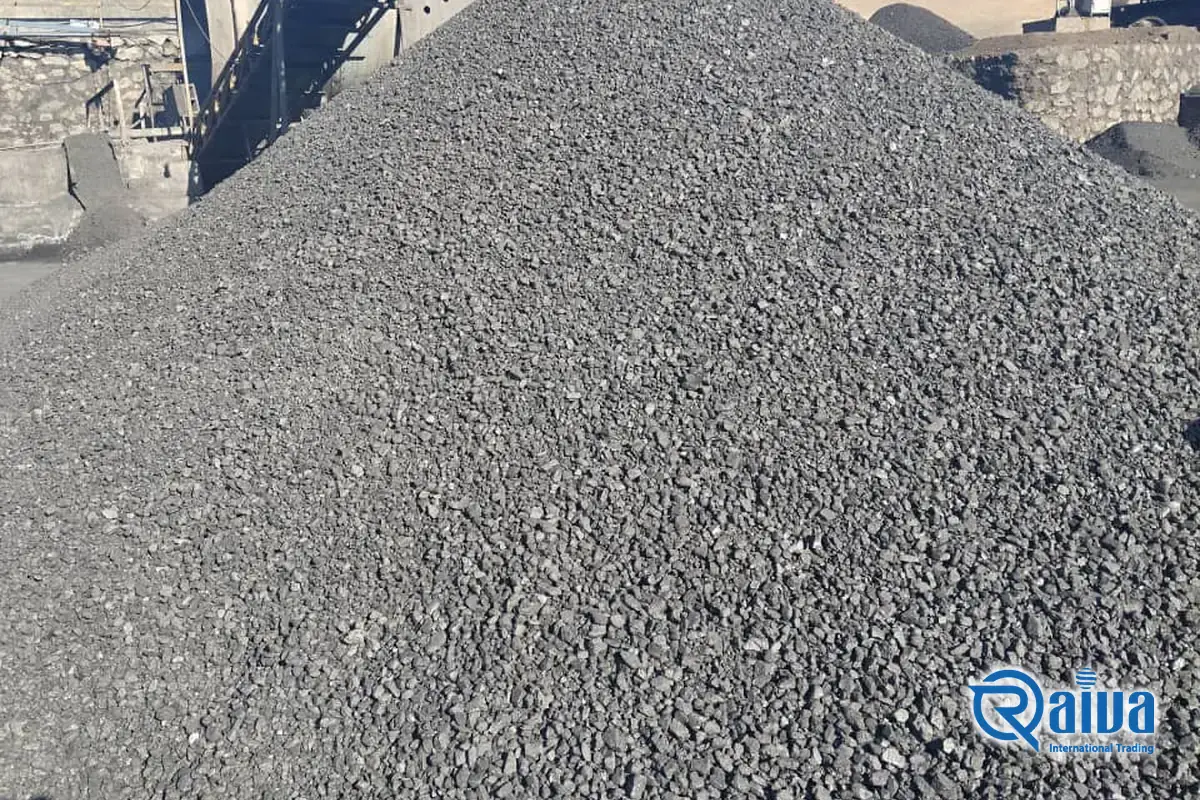
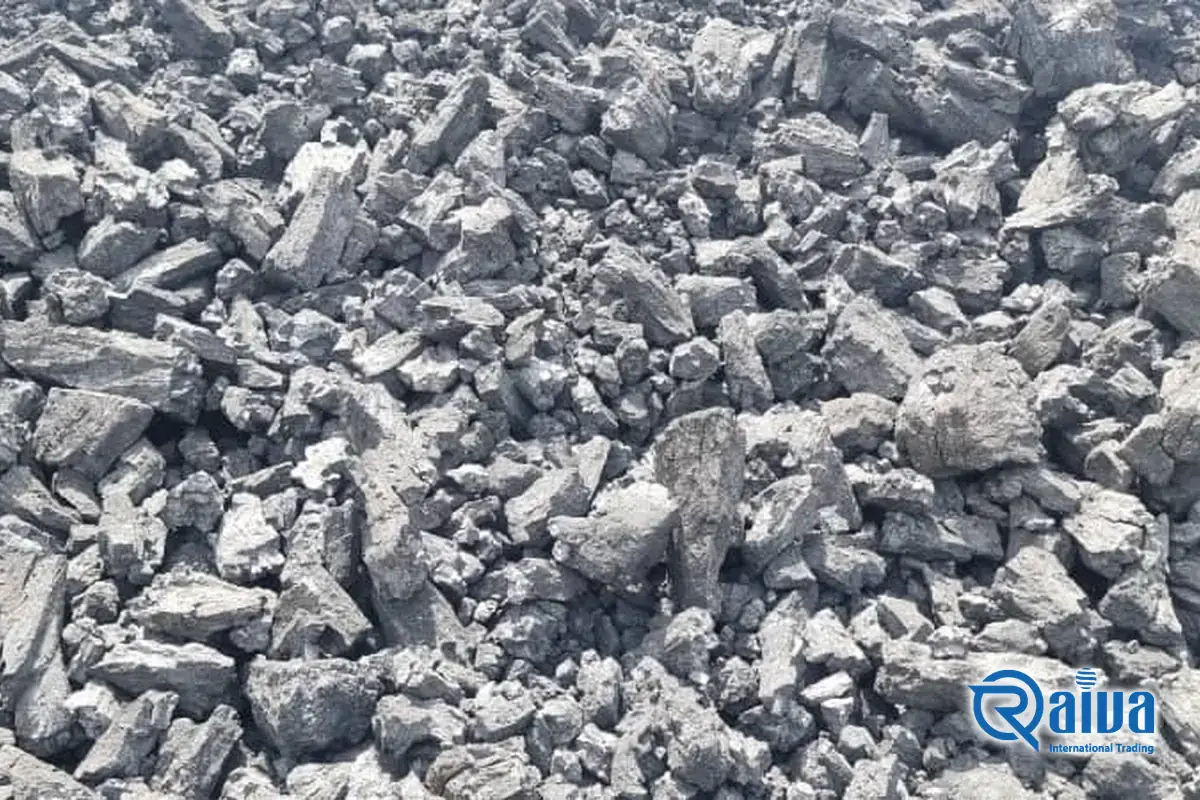
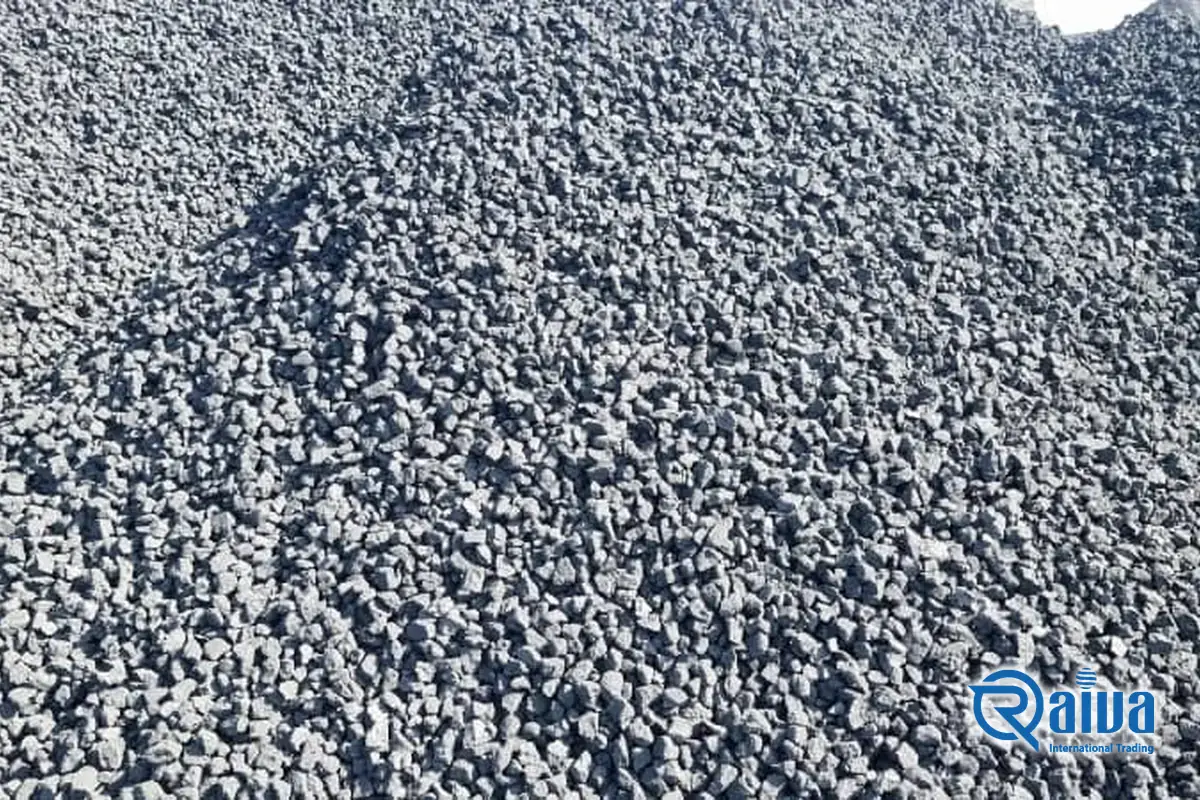
Material as it is stored, graded and loaded for export.
Packaging, Logistics & Trading Terms
How we screen, certify and ship anthracite. Terms can be adapted by agreement — tell us what your process needs.
- Minimum Order Quantity
- 500 MT for bulk vessel or a single border consignment. Truck-load quantities are available for ex-mine and border delivery, and trial tonnages can be arranged so you can burn or coke the material before committing.
- Packaging
- Bulk loading, or 1–1.5 MT woven jumbo bags, or 25–50 kg bags for filter media and carbon-additive grades. Screened to the agreed fraction before loading.
- Incoterms & Loading Ports
- EXW, FOB, CFR and CIF (Incoterms® 2020). Ex-mine either customs-cleared or uncleared, delivered to the Rimdan or Mirjaveh/Taftan border crossings, or FOB Bandar Abbas and Bandar Imam Khomeini.
- Quality Certification
- Batch-specific CoA with every shipment covering fixed carbon, ash, volatile matter, moisture, total sulfur and calorific value. Independent inspection by SGS, Bureau Veritas or an inspector of your choice can be arranged at the buyer’s cost.
- Lead Time
- 7–14 days for standard grades after order confirmation; 15–25 days for custom-milled or specially packed material.
- Storage & Handling
- Store dry and covered. Anthracite is far less prone to self-heating than bituminous coal — there is very little volatile matter left to oxidise — but it is brittle, so minimise drop heights during transfer. Every extra drop makes fines, and on a filter media or sinter grade the fines are the part you cannot use.
Certificate of Analysis
A batch-specific CoA is issued with every shipment. Third-party inspection by SGS, Bureau Veritas or an inspector of your choice can be arranged at the buyer’s cost.
Ready to quote
Send us your grade, tonnage, destination port and packaging and we will return a firm FOB/CFR/CIF price with lead time.
Request an Anthracite Quote