

Steam Coal & Thermal Coal Supplier & Exporter
C Thermal Coal · 5500 – 7580 kcal/kg
Steam and thermal coal across fourteen separately certified grades — calorific value from 5500 up to 7580 kcal/kg, ash from 12.29% and total sulfur from as little as 0.14% — screened 0–10, 0–30, 0–50 or 0–150 mm. Supplied to power plants, cement and lime kilns, sponge iron plants and process boilers, in bulk with a batch-specific Certificate of Analysis.
 Up to 7580 kcal
Supply capability at a glance
7580 kcal/kg
Highest certified calorific value
0.14%
Lowest certified total sulfur
0 – 150 mm
Fractions screened to order
Per batch
Certificate of Analysis
Physical Properties
HS Code
2701.12
Calorific Value
5500 – 7580 kcal/kg
Ash
12 – 26%
Volatile Matter
9 – 30%
Total Sulfur
0.14 – 1.9%
Size
0 – 150 mm
Synonyms: Steam Coal, Thermal Coal, Power Station Coal, Boiler Coal, Kiln Coal, Non-Coking Coal · Black to dull black, non-caking bituminous coal.
Six-digit WCO heading — national subheadings vary by destination.
Grades & Chemical Analysis
Four headline grades, covering the requests we get most often: a low-ash coal above 7000 kcal/kg, two mid grades at 6500–6800 and 6000–6300, and the low-volatile steam coal and thermal concentrate that ship in 0–150 mm. Select a panel for its full analysis; every other certified grade is in the table below.
Low Ash Grade — Proximate analysis
Thermal Coal — 7000+ kcal/kg
- Calorific Value (GCV)
- 7000+ kcal/kg
- Ash
- below 15%
- Total Sulfur
- 1 – 1.2%
- Total Moisture
- below 8%
- Volatile Matter
- above 14%
- Size
- 0 – 10 mm
Reference methods named on our coal certificates: ISO 589 total moisture, ISO 1171 ash, ISO 562 volatile matter, ASTM D4239 total sulfur. Values are typical specification figures; a batch-specific CoA is issued per shipment and independent inspection can be arranged at the buyer’s cost.
All Certified Thermal Grades
Every thermal coal analysis currently in our files, ordered by calorific value. Grade letters are our own references — the figures are transcribed as reported, and producer and mine names are not published. Ask us which of these are loading now.
| Grade | GCV kcal/kg | Ash % | Moisture % | Volatile % | Sulfur % | Fixed C % | Size mm |
|---|---|---|---|---|---|---|---|
| Grade A | 7580 | 12.29 | 7.48 | 29.99 | 0.21 | 57.72 | — |
| Grade B | 7000+ | below 15 | below 8 | above 14 | 1 – 1.2 | — | 0 – 10 |
| Grade C | 7000 | 12 – 15 | 7 – 9 | 14 – 18 | 1 – 1.5 | 60 – 65 | 0 – 10 |
| Grade D | above 7000 | above 15 | above 8 | below 14 | 1 – 1.2 | — | 0 – 10 |
| Grade E | 6500 – 7500 | 20 – 25 | max 5 | 9 – 12 | down to 1 | up to 60 | 0 – 150 |
| Grade F | 6500 – 6800 | max 18 | — | 14 – 15 | 1 – 1.2 | — | 0 – 30 |
| Grade G | 6585 | 24 | 6 | 12 | 0.16 | — | — |
| Grade H | 6506 | 17.89 | 0.39 | 15.78 | 1.89 | 64.40 | — |
| Grade I | 6500 | 15 – 18 | 7 – 9 | 14 – 16 | 1 – 1.5 | 58 – 65 | 0 – 30 |
| Grade J | 6465 | 26.20 | 1.06 | 16.03 | 0.14 | 57.77 | — |
| Grade K | 6300 | 18 | 10 | 10 – 14 | — | 65 | — |
| Grade L | 6000 – 6300 | 18 – 22 | — | 15 – 18 | 1 – 1.2 | — | 0 – 50 |
| Grade M | 6000 or above | 14 | 12 | 20 | 1.60 | 65 | — |
| Grade N | 5500 – 6500 | 18 – 20 | max 11 | 14 – 22 | down to 1 | up to 55 | 0 – 150 |
A dash means the figure was not reported on that analysis, not that it is zero — the missing values are covered by the batch CoA. Availability varies with the working face and the season, so treat this as the range we source within rather than a live stock list. Grade H was tested by an independent laboratory holding national accreditation and SGS certification; the remainder are producer quality-control analyses, and we identify which is which on request.
Bespoke Supply
Need a specific calorific value, ash or sulfur ceiling?
Grades can be screened to a tighter size fraction, and coals from different faces can be blended to land on a target calorific value or hold under an ash or sulfur ceiling. Send us the specification your boiler or kiln is permitted to burn and we will tell you what we can hold it to.
Applications
Thermal coal is bought for the heat in it, so the grade that suits you is decided by your burner, your ash-handling system and your emissions limit — not by the highest number on the sheet.
Power Generation
Pulverised-fuel and stoker-fired boilers.
Cement Kilns
Precalciner and rotary kiln firing.
Lime Kilns
Rotary and vertical shaft lime burning.
Sponge Iron & DRI
Reductant and fuel in rotary kiln direct reduction.
Brick & Ceramics
Tunnel and Hoffman kiln fuel.
Industrial Steam
Process steam for textile, paper and food plants.
Sugar & Chemicals
Boiler fuel in process heating.
Sinter Plants
Fuel in iron ore sintering circuits.
Gasification
Feedstock for producer and synthesis gas.
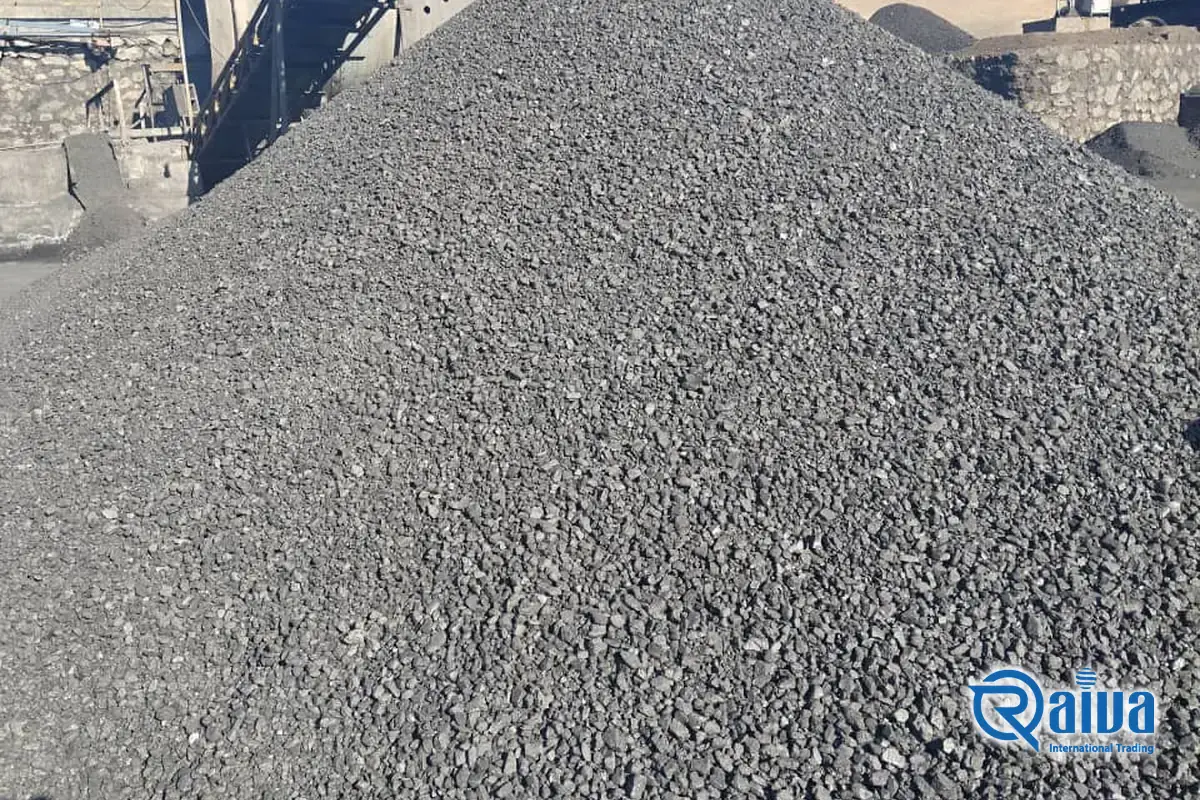
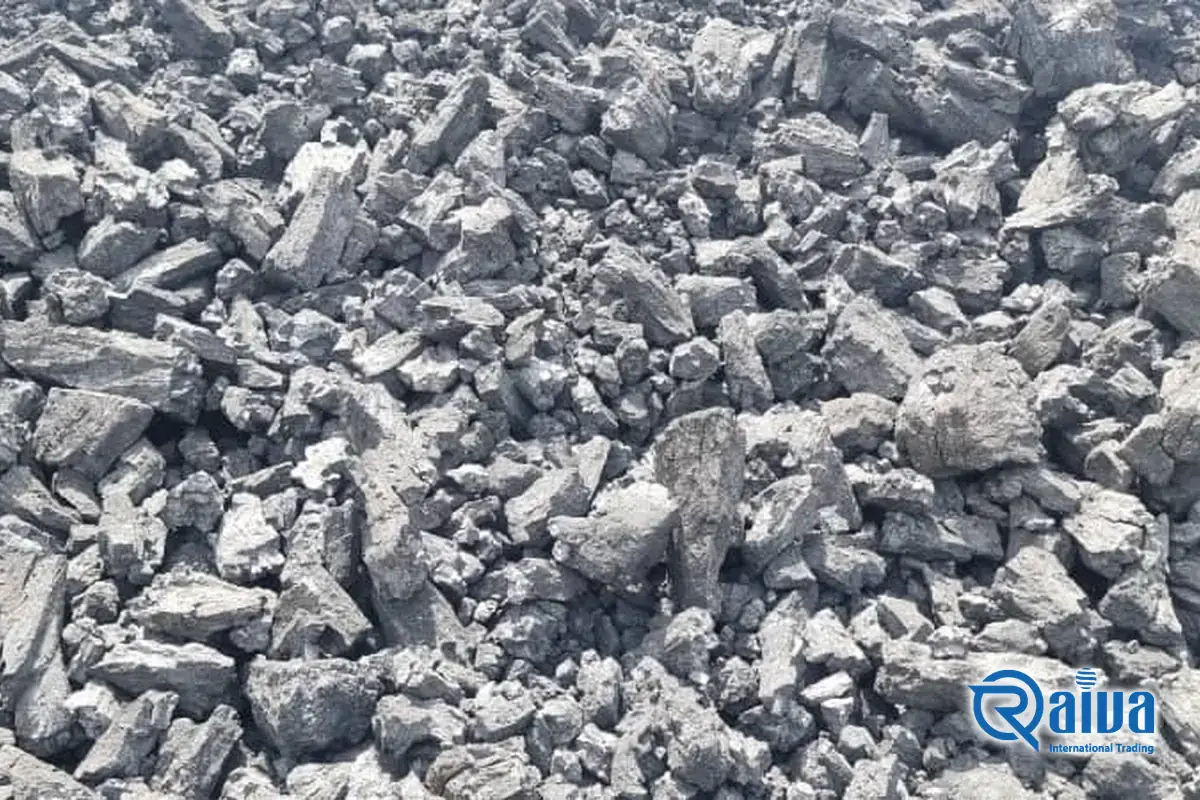
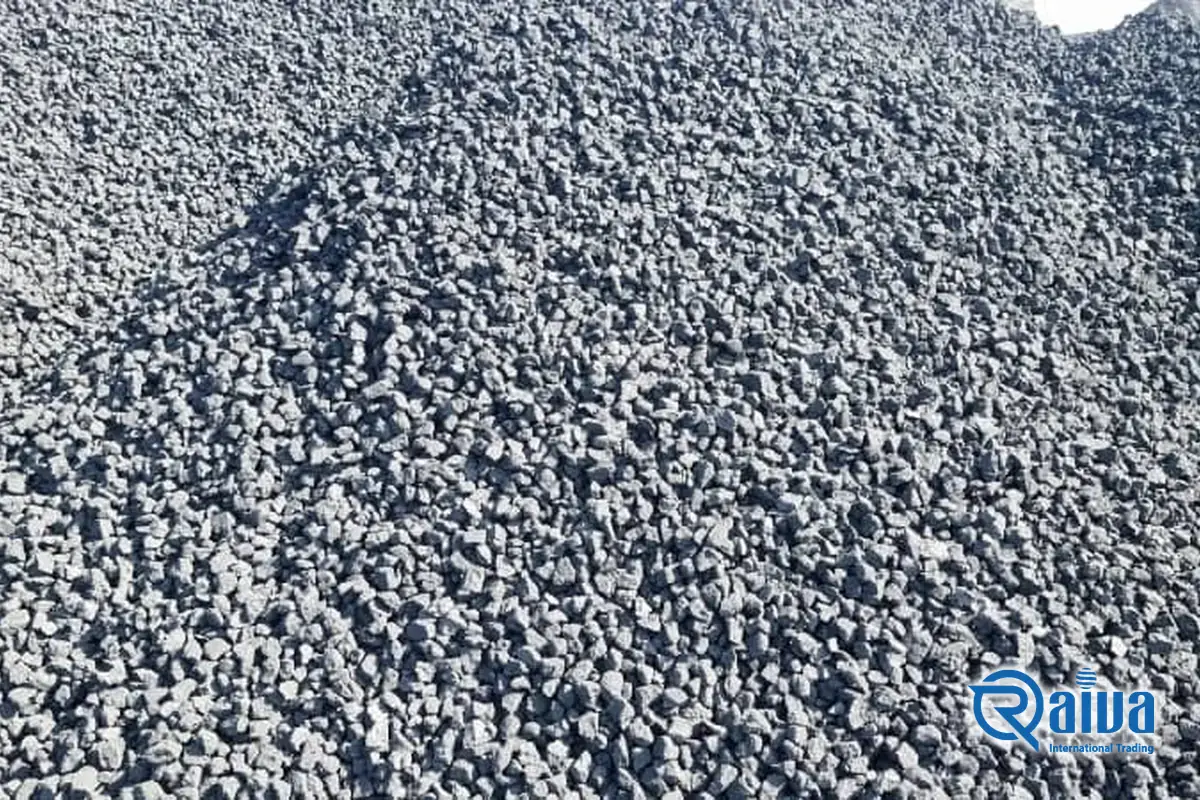
Product Gallery
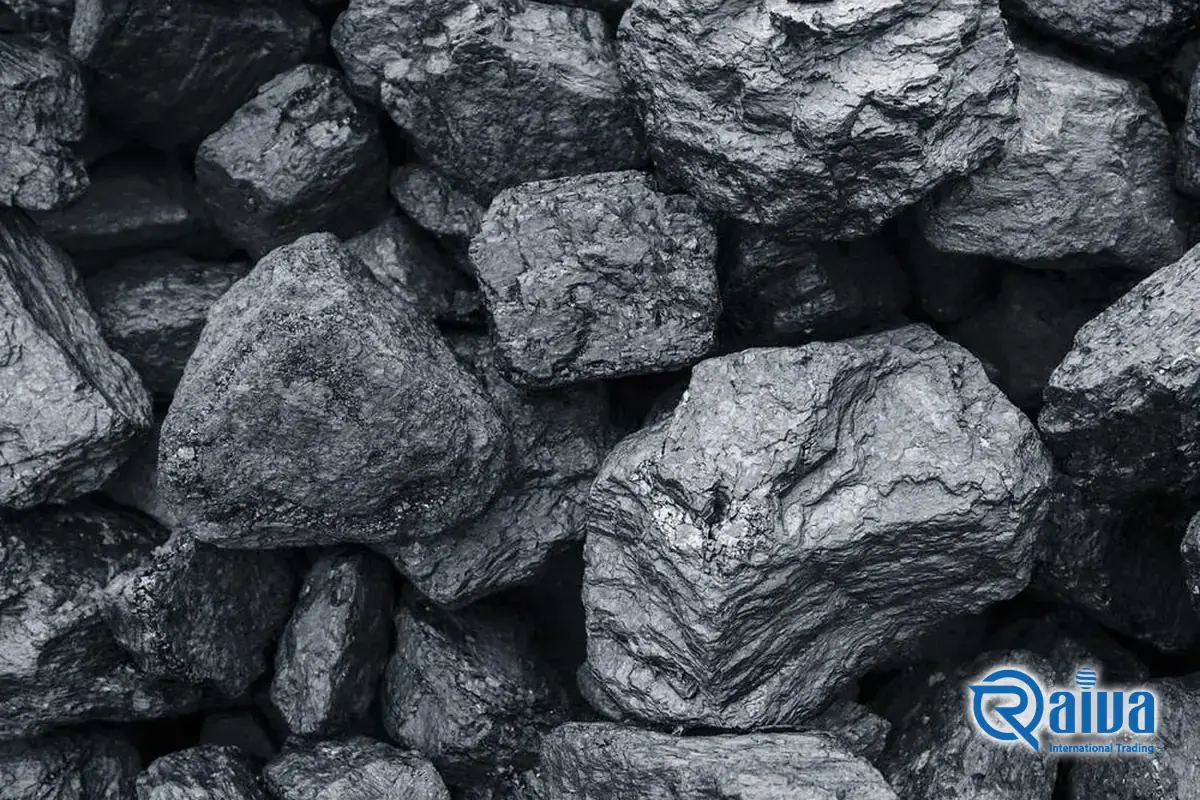
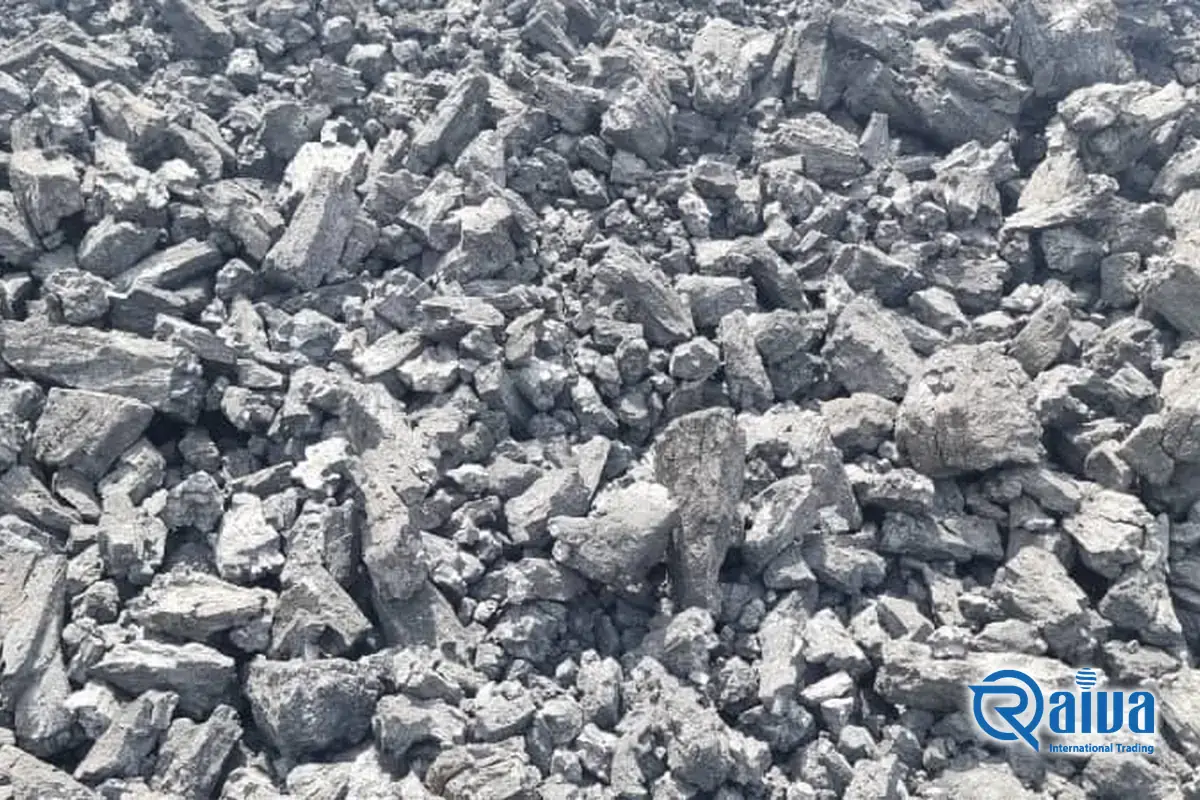
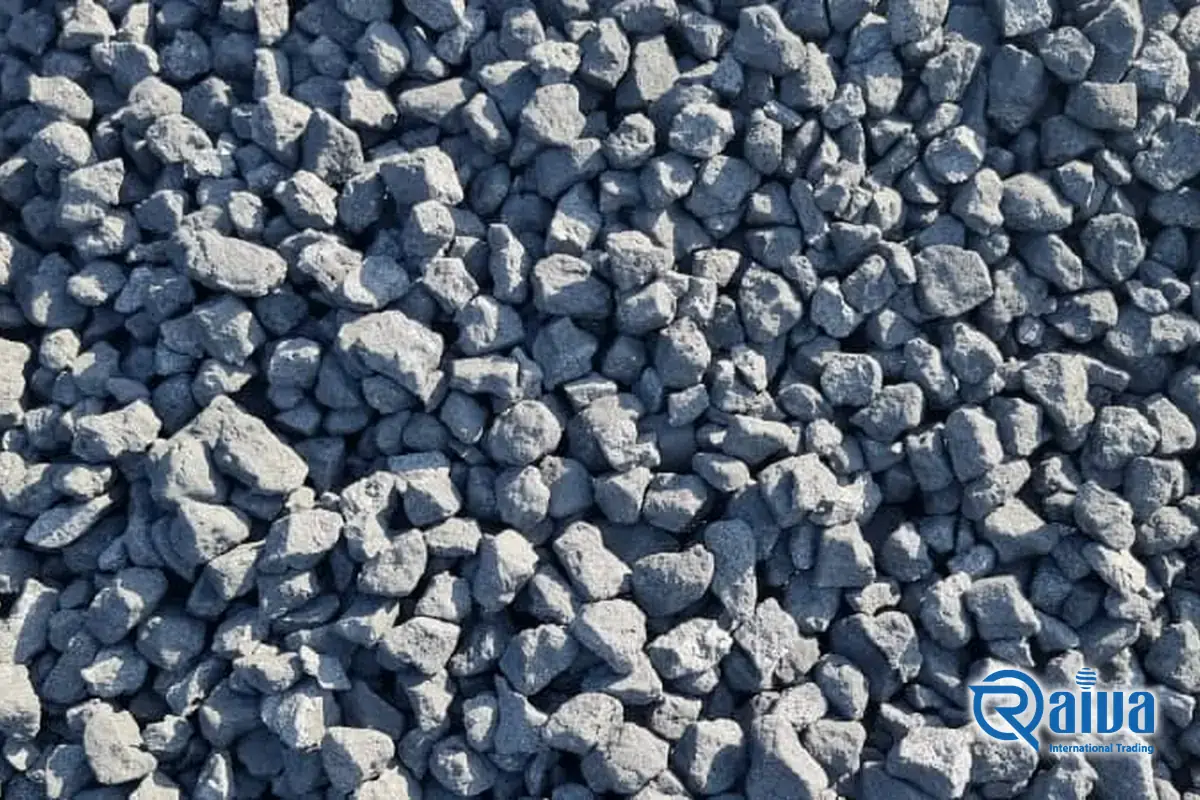
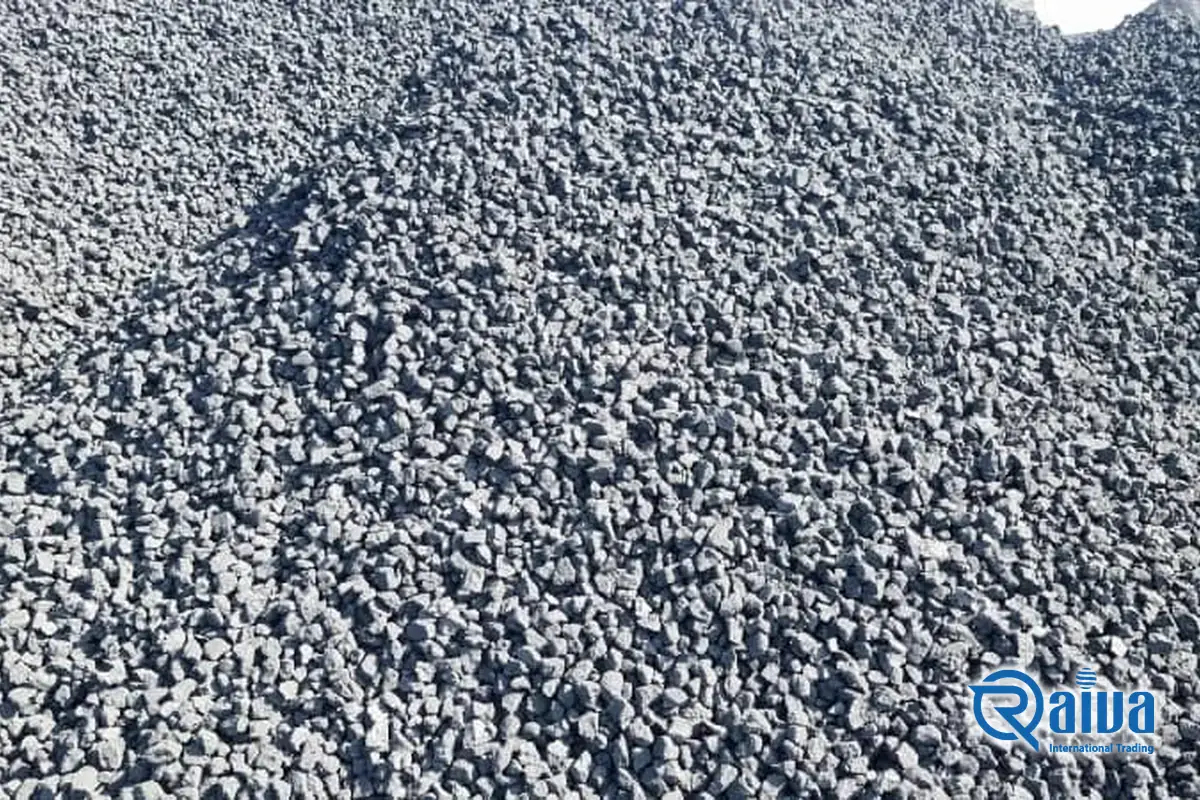
Material as it is stored, graded and loaded for export.
Packaging, Logistics & Trading Terms
How we screen, certify and ship thermal coal. Terms can be adapted by agreement — tell us what your plant needs.
- Minimum Order Quantity
- 500 MT for bulk vessel or a single border consignment. Truck-load quantities are available for ex-mine and border delivery, and trial tonnages can be arranged so you can burn or coke the material before committing.
- Packaging
- Bulk loading as standard, or 1–1.5 MT woven jumbo bags. Screened to the agreed fraction before loading, with oversize and undersize limits fixed per contract.
- Incoterms & Loading Ports
- EXW, FOB, CFR and CIF (Incoterms® 2020). Ex-mine either customs-cleared or uncleared, delivered to the Rimdan or Mirjaveh/Taftan border crossings, or FOB Bandar Abbas and Bandar Imam Khomeini.
- Quality Certification
- Batch-specific CoA with every shipment covering total moisture, ash, volatile matter, total sulfur, fixed carbon and calorific value against ISO 589, ISO 1171, ISO 562 and ASTM D4239. Independent inspection by SGS, Bureau Veritas or an inspector of your choice can be arranged at the buyer’s cost.
- Lead Time
- 7–14 days for standard grades after order confirmation; 15–25 days for custom-milled or specially packed material.
- Storage & Handling
- Store in compacted, sloped stockpiles and keep pile heights moderate. Fine coal oxidises and can self-heat, so long-term stock should be monitored for temperature and rotated oldest-first. Keep fines wetted down in dry weather to control dust.
Certificate of Analysis
A batch-specific CoA is issued with every shipment. Third-party inspection by SGS, Bureau Veritas or an inspector of your choice can be arranged at the buyer’s cost.
Ready to quote
Send us your grade, tonnage, destination port and packaging and we will return a firm FOB/CFR/CIF price with lead time.
Request a Thermal Coal Quote