

Metallurgical Coke Supplier & Exporter — Blast Furnace, Foundry and Nut Coke
C Fixed Carbon · 80 – 85%
Metallurgical coke in four size fractions — blast-furnace coke 60–140 mm at fixed carbon 80–85% with CSR 37–41 and M40 77–81, +60 mm and +80 mm foundry lump at fixed carbon above 82%, and 3–5 mm nut coke at 7000–7500 kcal/kg. Every fraction is tested in the coke plant’s quality-control laboratory and shipped with a batch-specific Certificate of Analysis and a Safety Data Sheet.
 CSR 37–41
Supply capability at a glance
80 – 85%
Fixed carbon, 60–140 mm
37 – 41
CSR, post-reaction strength
3 – 140 mm
Size fractions supplied
Per batch
Certificate of Analysis
Physical Properties
HS Code
2704.00
CAS No. (carbon)
7440-44-0
Size Fractions
3–5 / +60 / +80 / 60–140 mm
Fixed Carbon
80 – 85%
Ash
14 – 17%
CSR
37 – 41
Synonyms: Met Coke, Metallurgical Coke, Blast Furnace Coke, Foundry Coke, Nut Coke, Coke Breeze · Hard, porous, silver-grey carbon lump.
Six-digit WCO heading — national subheadings vary by destination.
Grades & Chemical Analysis
Four fractions, each with its own quality-control report. The 60–140 mm blast-furnace grade is the only one carrying drum strength and CRI/CSR figures, because it is the only one whose job depends on surviving the furnace shaft. Select a panel for its full analysis.
Blast Furnace Grade — Proximate analysis and drum strength
Metallurgical Coke 60–140 mm
- Fixed Carbon
- 80 – 85%
- Ash
- 14 – 17%
- Volatile Matter
- 1 – 2.5%
- Moisture
- 3 – 5%
- Sulfur
- 1.35 – 1.6%
- M40 (drum strength)
- 77 – 81%
- M10 (abrasion index)
- 8 – 11%
- CSR (post-reaction strength)
- 37 – 41
- CRI (reactivity index)
- 38 – 42
- Size
- 60 – 140 mm
Each panel transcribes a separate coke-plant quality-control report. CRI and CSR were not determined on the +60 mm, +80 mm and nut coke fractions, so no figure is quoted for them here. We do not claim ISO/IEC 17025 accreditation for the testing laboratory — a batch-specific CoA accompanies every shipment, and independent sampling and analysis by SGS, Bureau Veritas or an inspector of your choice can be arranged at the buyer’s cost. On a first order we would recommend it.
Bespoke Supply
Need a different size fraction or ash level?
If none of the four fractions is what your process needs, tell us your target size, ash, sulfur and CSR — we screen and source to specification, including intermediate foundry cuts and coke breeze.
Applications
Coke does three jobs at once in a blast furnace — it is the fuel, the reducing agent and the structural support for the burden.
Blast Furnace Ironmaking
Fuel, reductant and permeable support for the burden column.
Foundry Cupola Melting
Melting fuel for grey and ductile iron cupolas.
Ferroalloy Smelting
Carbon reductant in ferrosilicon and ferromanganese furnaces.
Lime & Cement Kilns
Solid fuel for rotary and shaft kilns.
Calcium Carbide
Carbon source in the carbide electric arc furnace.
Non-Ferrous Smelting
Reductant in zinc, lead and copper pyrometallurgy.
Water & Air Filtration
Feedstock for activated carbon production.
Sugar & Chemical Processing
Fuel and carbon source in process heating.
Sintering & Pelletising
Nut coke and breeze in sinter and induration circuits.
Product Gallery
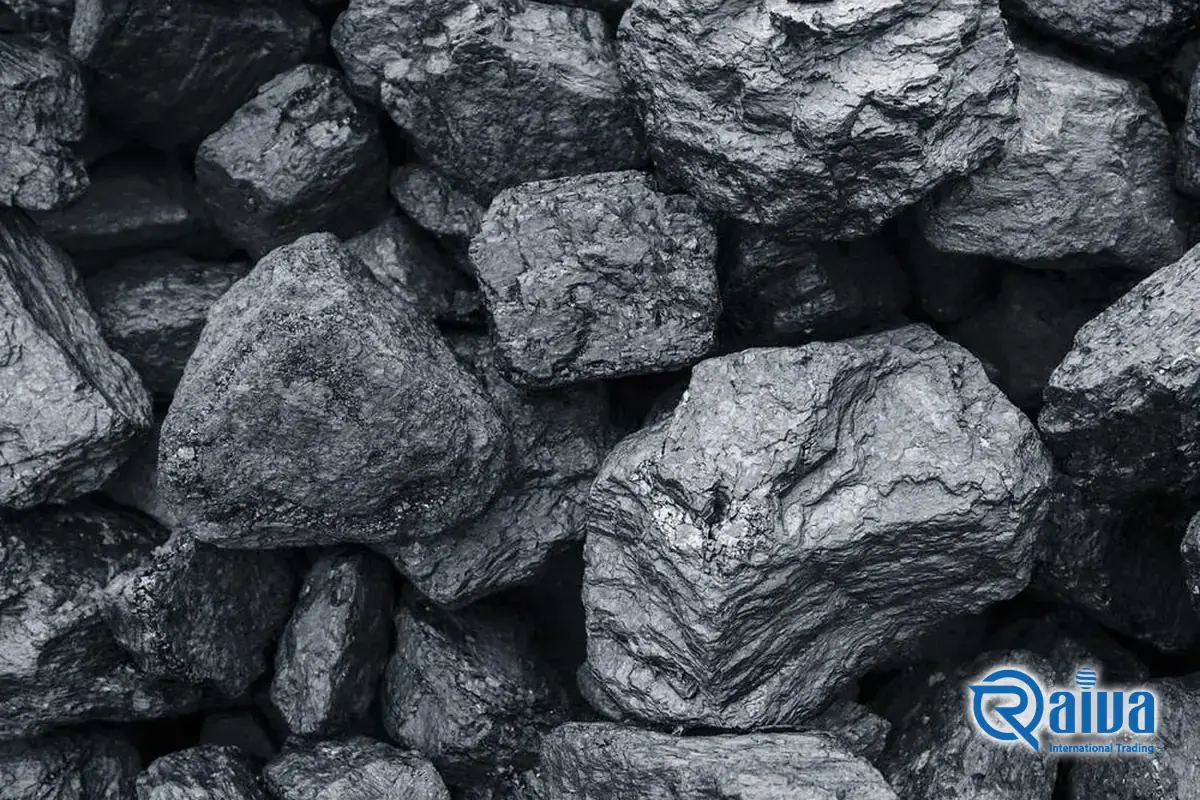
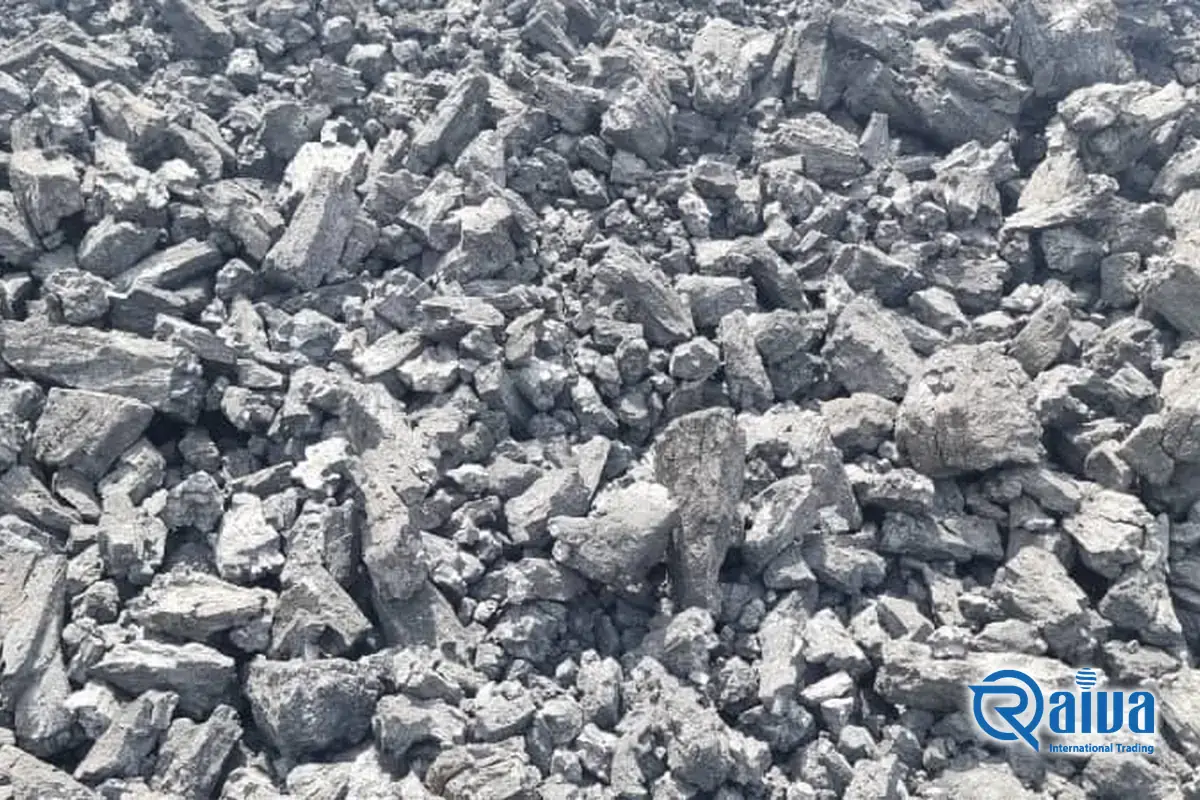
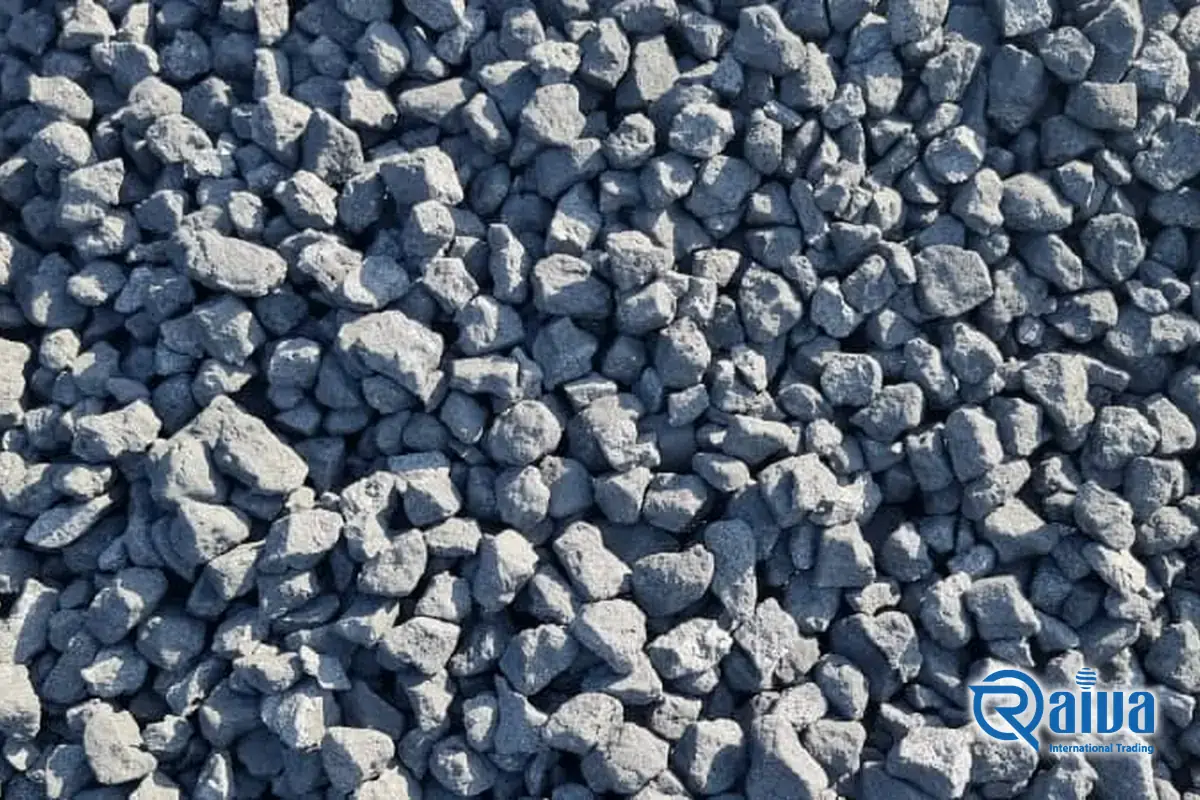
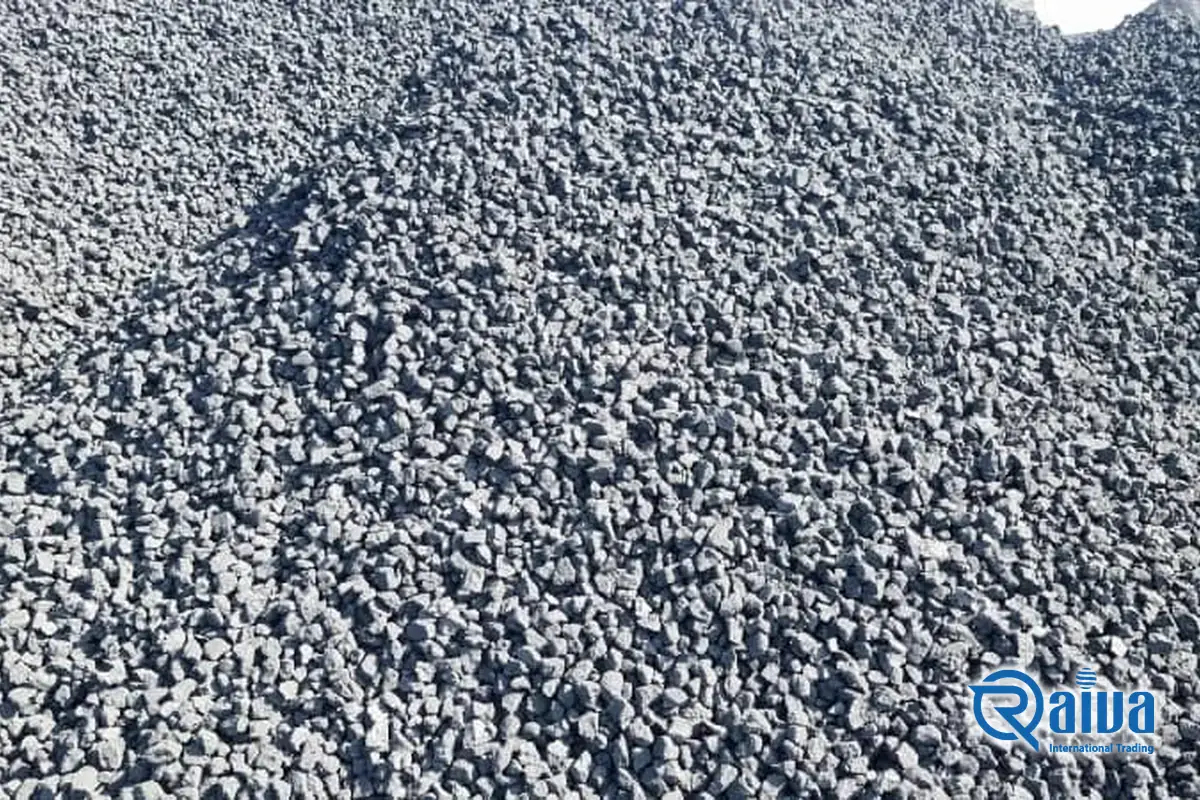
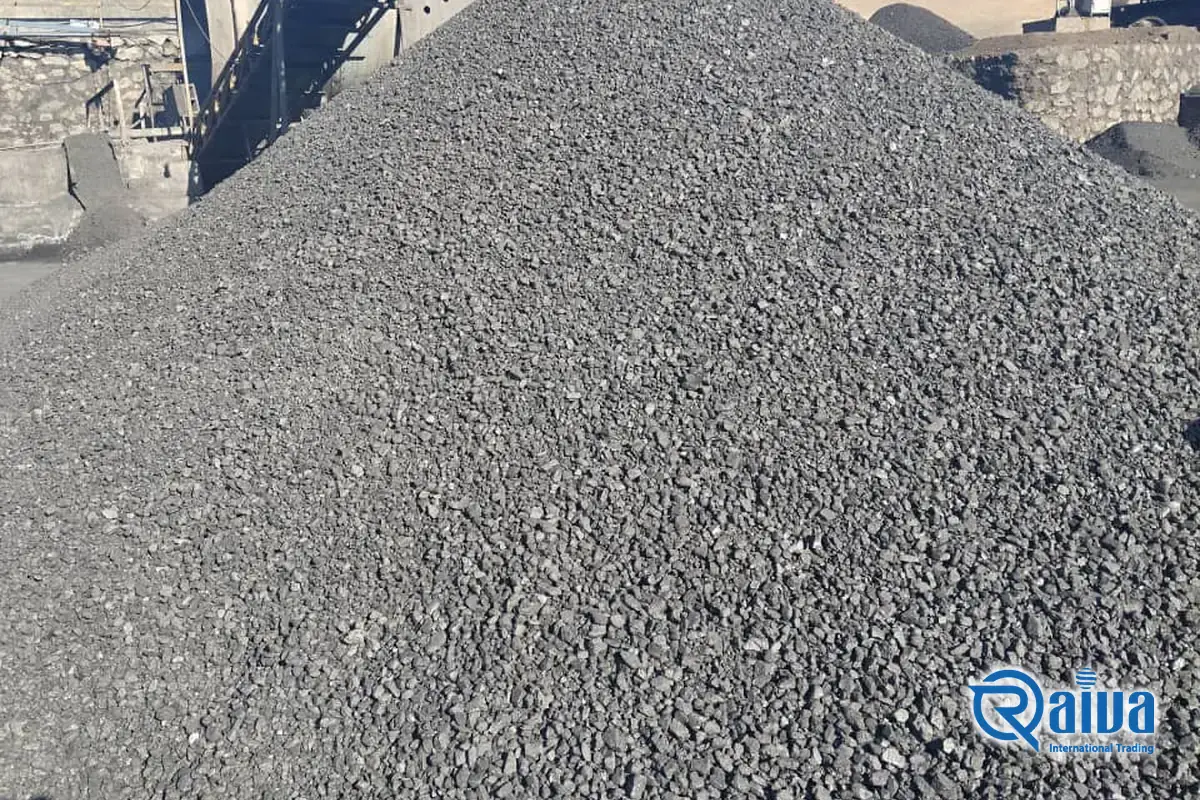
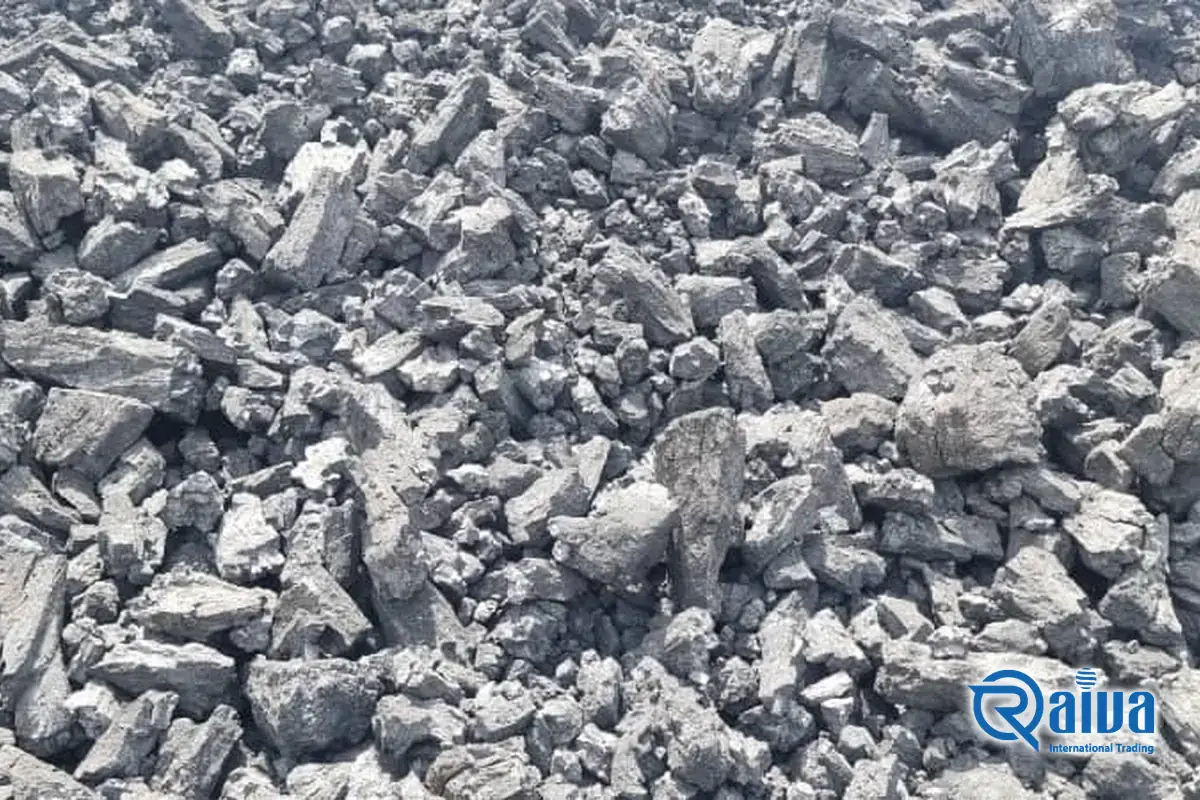
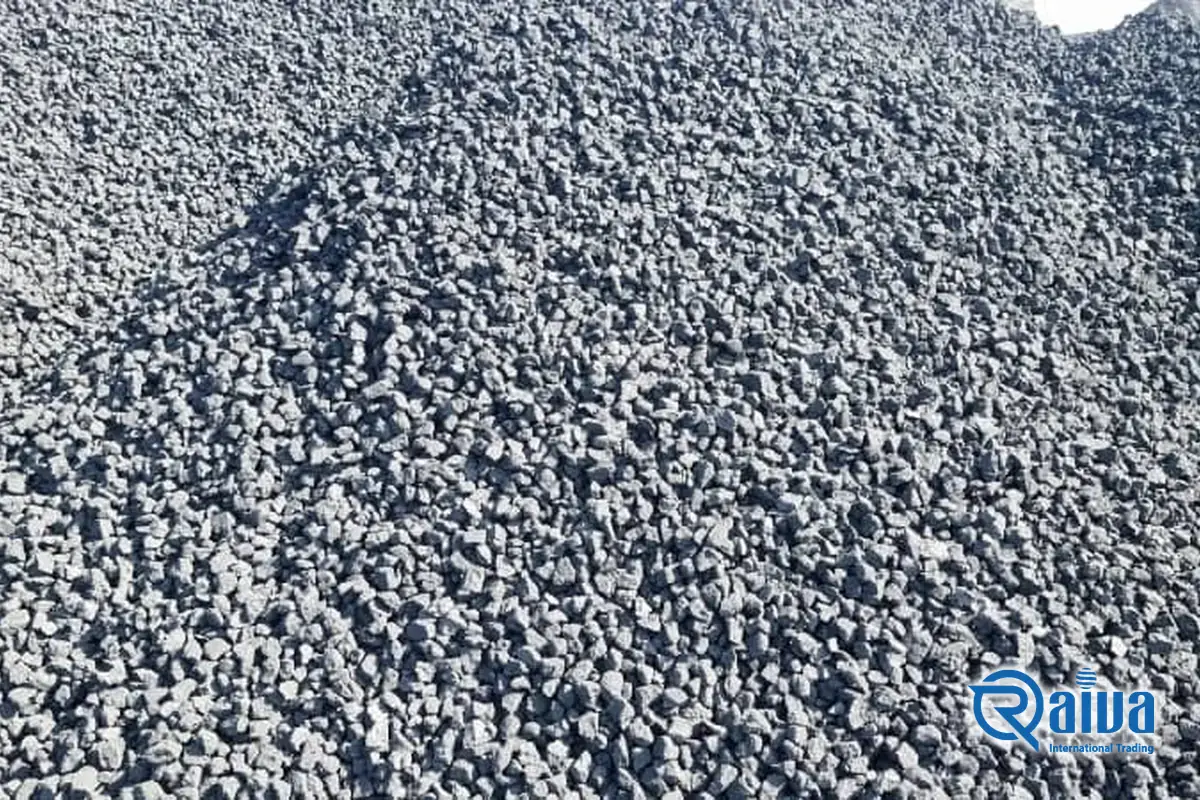
Material as it is stored, graded and loaded for export.
Packaging, Logistics & Trading Terms
How we size, certify and ship metallurgical coke. Terms can be adapted by agreement — tell us what your operation needs.
- Minimum Order Quantity
- 1 × 20 ft container (approx. 25 MT) bagged. 500 MT minimum for bulk vessel. Trial quantities available for qualification.
- Packaging
- Bulk, or 1–1.5 MT woven jumbo bags. Screened to the agreed size fraction before loading; oversize and undersize limits confirmed per contract.
- Incoterms & Loading Ports
- EXW, FOB, CFR and CIF (Incoterms® 2020). Ex-mine either customs-cleared or uncleared, delivered to the Rimdan or Mirjaveh/Taftan border crossings, or FOB Bandar Abbas and Bandar Imam Khomeini.
- Quality Certification
- Batch-specific CoA with every shipment covering proximate analysis, sulfur, and on the 60–140 mm fraction M10/M40 drum strength and CRI/CSR. We do not claim ISO/IEC 17025 accreditation for the testing laboratory; independent inspection and analysis by SGS, Bureau Veritas or an inspector of your choice can be arranged at the buyer’s cost.
- Lead Time
- 7–14 days for standard grades after order confirmation; 15–25 days for custom-milled or specially packed material.
- Storage & Handling
- Store in a dry, well-ventilated stockpile away from ignition sources, and keep moisture down — water in coke is a direct fuel penalty and increases handling degradation. Minimise drop heights during transfer; every extra drop makes fines. Handling: do not breathe dust or fume, wear eye, face, hand and respiratory protection, and wash thoroughly afterwards. Extinguish with water fog, steam, dry chemical or carbon dioxide. A Safety Data Sheet ships with every consignment.
Certificate of Analysis
A batch-specific CoA is issued with every shipment. Third-party inspection by SGS, Bureau Veritas or an inspector of your choice can be arranged at the buyer’s cost.
Ready to quote
Send us your grade, tonnage, destination port and packaging and we will return a firm FOB/CFR/CIF price with lead time.
Request a Coke Quote