

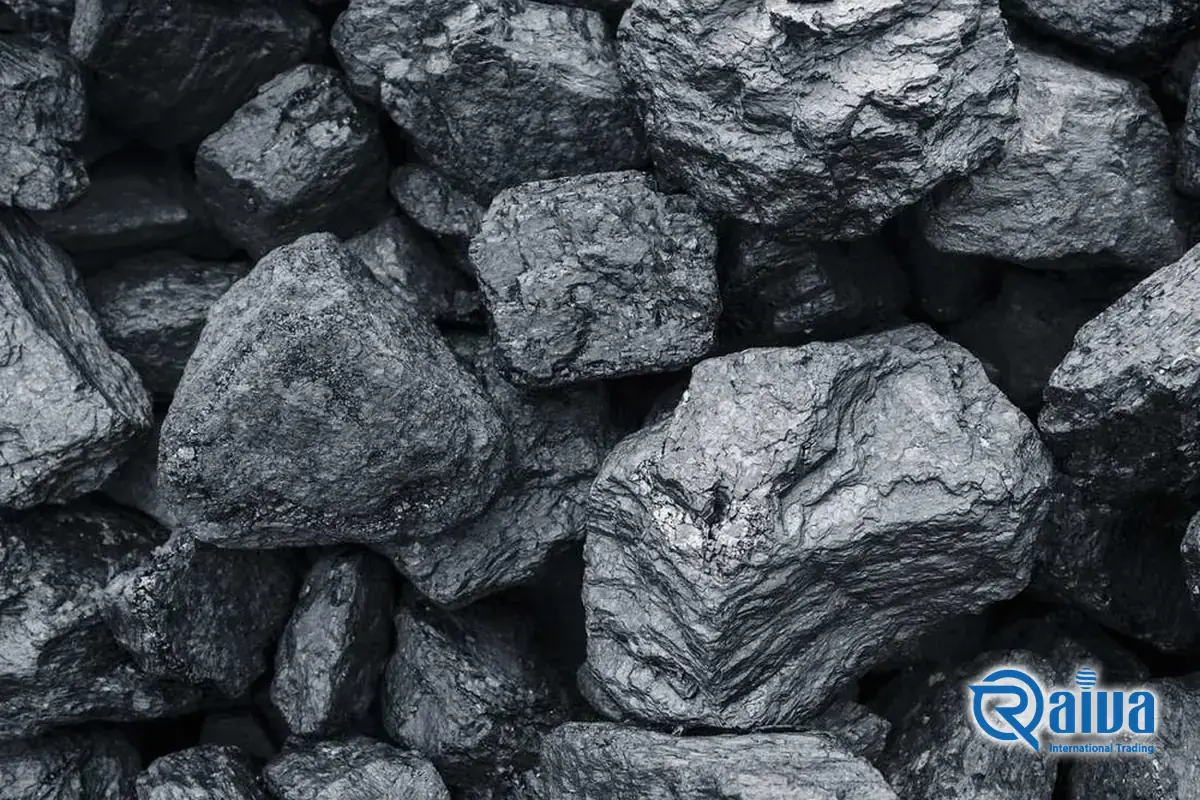
Coal or coke: what each is bought on
Both are carbon, and the similarity ends there:
- Coking coal is bought on whether it cakes: free swelling index, caking index G, plastometric Y and X, and the CSR of the coke it makes. Calorific value is secondary.
- Metallurgical coke is bought on surviving the furnace: fixed carbon and ash, drum strength (M40, M10), and reactivity and strength after reaction (CRI, CSR).
- Steam coal is neither. It does not cake, and sent to a coke oven it makes weak, powdery coke.
Coking coal: one report, two bases
A coal analysis has to state its basis. As-received includes the free moisture the coal carries; air-dried takes it out, which is how volatile matter and the caking indices are properly compared. Both columns below come from the same report on the same coal.
| Property | As-received | Air-dried |
|---|---|---|
| Fixed carbon | 54% | 60% |
| Ash | 12% | 11% |
| Volatile matter | — | 26–28% |
| Total sulfur | 1.2% | 1% |
| Free swelling index (FSI) | 4 | 4 |
| Caking index G | 70 | 70 |
| Plastometric Y / X | 14 / 26 mm | 18 / 26 mm |
| CSR | 48 | 55 |
| Size | 60% > 1 mm, 40% < 1 mm | 60% > 1 mm, 40% < 1 mm |
Reference methods on our coal certificates: ISO 589 total moisture, ISO 1171 ash, ISO 562 volatile matter, ASTM D4239 total sulfur, GOST 1186 plastometric Y and X. Use coking coal reasonably fresh and store it compacted: oxidation on a loose stockpile destroys caking power, and no blend recovers it.
Product specification Coking coal: washed concentrate, CSR 48–55 Proximate analysis on two bases, FSI, caking index G, plastometric Y and X, and trading terms.Metallurgical coke: four fractions, four reports
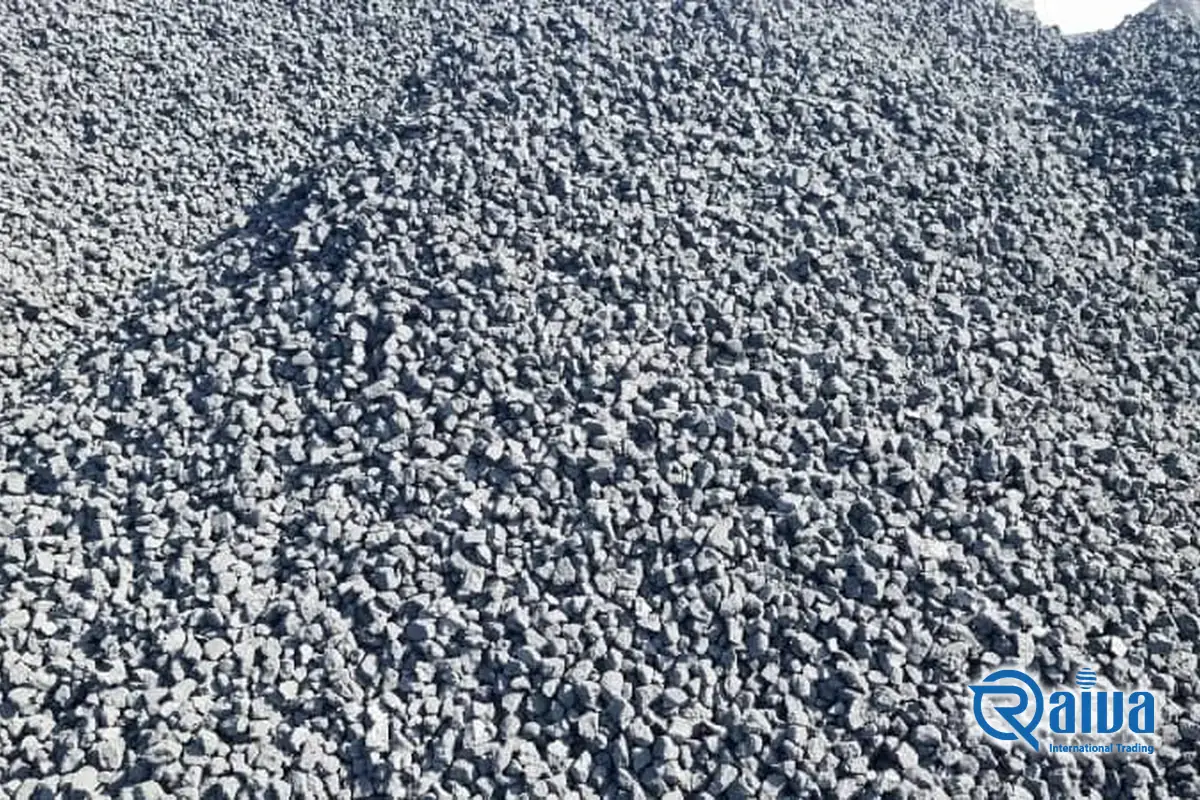
Each fraction carries its own coke-plant quality-control report. Only the 60–140 mm blast-furnace grade carries drum strength and CRI/CSR, because only it has to survive the furnace shaft.
| Property | 60–140 mm (blast furnace) | +80 mm (foundry) | +60 mm (foundry) | 3–5 mm (nut coke) |
|---|---|---|---|---|
| Fixed carbon | 80–85% | ≥ 82.0% | ≥ 82.0% | 80–83% |
| Ash | 14–17% | ≤ 15.8% | ≤ 16.0% | 14–16% |
| Sulfur | 1.35–1.6% | ≤ 1.60% | < 1.60% | < 1.8% |
| M40 / M10 | 77–81% / 8–11% | — | — | — |
| CSR / CRI | 37–41 / 38–42 | not determined | not determined | not determined |
Read CSR against your furnace. CSR 37–41 suits smaller blast furnaces and blends; large, high-productivity furnaces generally specify a higher figure. If yours does, send it and we will say plainly whether a blend can reach it. The figures come from the coke plant's own laboratory, which is not ISO/IEC 17025 accredited, so on a first order we recommend independent sampling by SGS, Bureau Veritas or your own inspector.
Getting it to Turkey and Central Asia
Most coal and coke tonnage from Iran moves overland:
- Overland: by truck and rail through Iran's land borders on DAP or FCA terms, or ex-mine, customs-cleared or uncleared.
- By sea: FOB Bandar Abbas or Bandar Imam Khomeini, with CFR and CIF to most destination ports.
- Coke handling: keep it dry and minimise drop heights — water is a fuel penalty and every extra drop makes fines.
| Item | Terms |
|---|---|
| Minimum order | 500 MT for a bulk vessel or a single border consignment; coke also 1 × 20 ft container (approx. 25 MT) bagged; trial tonnages available |
| Packaging | Bulk, or 1–1.5 MT woven jumbo bags; screened to the agreed fraction before loading |
| Lead time | 7–14 days for standard grades after order confirmation |
| Certification | Batch CoA: proximate analysis, sulfur and calorific value, plus caking indices on coal and drum strength and CRI/CSR on 60–140 mm coke |
| HS code (6-digit) | Coking coal 2701.12; metallurgical coke 2704.00 — national subheadings vary |
Qualifying a new source
- Send the coke quality you need and the blend you run, not just a coal name; blends can be built to land on a target CSR or ash.
- Check the basis of every figure — as-received and air-dried numbers are not comparable.
- Coke a trial tonnage in your own oven, or charge trial coke in your own furnace, before a contract.
- Inspect the first cargo independently, especially on coke, where the analysis is the plant's own.