

Portland Cement Type I-425 Supplier & Exporter
Type I-425 ISIRI 389 · 28-day 440 kg/cm²
High-strength general-purpose Ordinary Portland Cement conforming to ISIRI 389, reaching 440 kg/cm² at 28 days against a 425 minimum. Blaine fineness 3260 cm²/g, loss on ignition 1.60% and insoluble residue 0.60%. Supplied in bulk, jumbo bags or 50 kg sacks with a batch mill certificate.
 28-day 440 kg/cm²
Supply capability at a glance
440 kg/cm²
28-day compressive strength
3260 cm²/g
Blaine fineness
140 min
Initial setting time
Per batch
Mill test certificate
Physical Properties
Standard
ISIRI 389
HS Code
2523.29
Blaine Fineness
3260 cm²/g
Initial Set
140 min
Final Set
3 h
Soundness
0.06%
Synonyms: OPC, Ordinary Portland Cement, Type 1 Cement, Portland Cement 425, PC 425 · Grey hydraulic cement powder; the general-purpose structural binder.
Six-digit WCO heading — national subheadings vary by destination.
Grades & Chemical Analysis
Full chemical analysis and physical test results for Type I-425, each shown against the ISIRI 389 acceptance limit it is measured to.
Chemical Analysis — Result against acceptance limit
Type I-425 — Chemistry
- CaO
- 64.05%
- SiO₂
- 21.60%
- Al₂O₃
- 5.00%
- Fe₂O₃
- 3.57%
- MgO
- 2.00% (max 5)
- SO₃
- 2.10% (max 3)
- Loss on Ignition
- 1.60% (max 3)
- Insoluble Residue
- 0.60% (max 0.75)
- Free CaO
- 1.50%
- Chloride
- 0.02%
- Alkalies (Na₂O + 0.658 K₂O)
- 1.0%
- C₃S / C₂S
- 51.9% / 22.8%
- C₃A / C₄AF
- 7.2% / 10.9%
Acceptance limits per ISIRI 389. Values are typical mill results; a batch-specific mill test certificate is issued per shipment.
Bespoke Supply
Need a different strength class?
Type I-325 and Type I-525 strength classes, and Type III rapid-hardening cement, are available on the same terms. Send us your target standard and strength class and we will confirm availability and lead time.
Applications
Type I is the default Portland cement — use it anywhere the service environment does not demand something special.
Structural Concrete
Beams, columns, slabs and foundations in normal exposure.
Precast & Prestressed
Fast early strength for demoulding cycles.
Blockwork & Masonry
Concrete blocks, pavers and kerbs.
Ready-Mix Concrete
General-purpose batching plant binder.
Mortar & Render
Bricklaying mortar, screeds and plaster backing.
Grouts & Repair Mortars
Non-shrink grouts and patch repair systems.
Infrastructure
Bridges, culverts and retaining structures.
Soil Stabilization
Cement-treated bases and subgrade improvement.
Fibre Cement Products
Sheets, pipes and roofing components.
Product Gallery
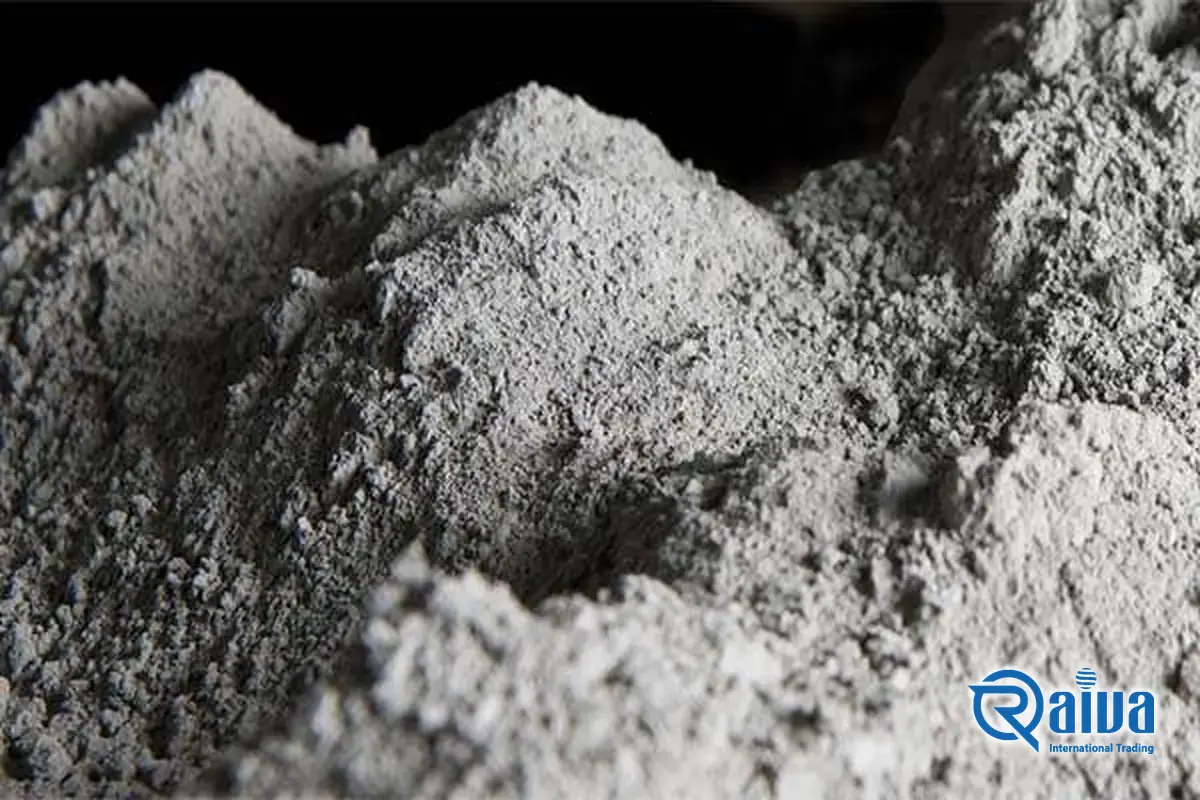
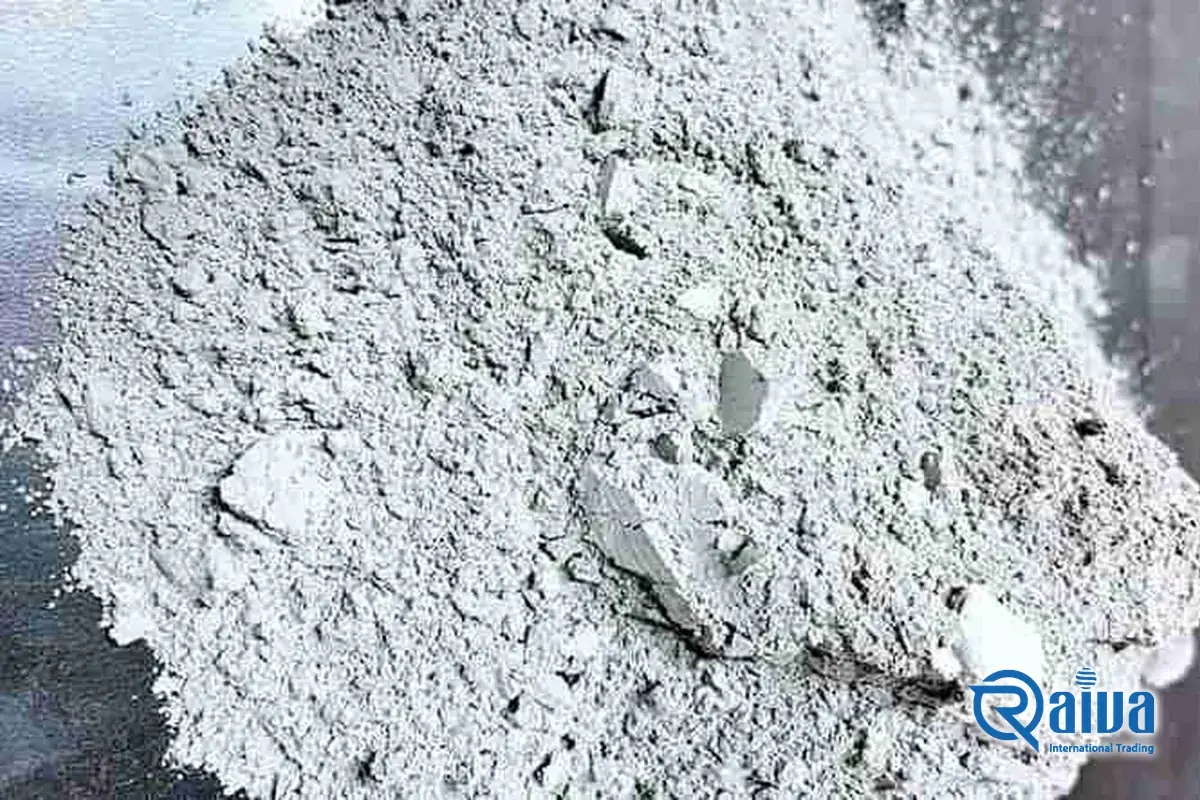
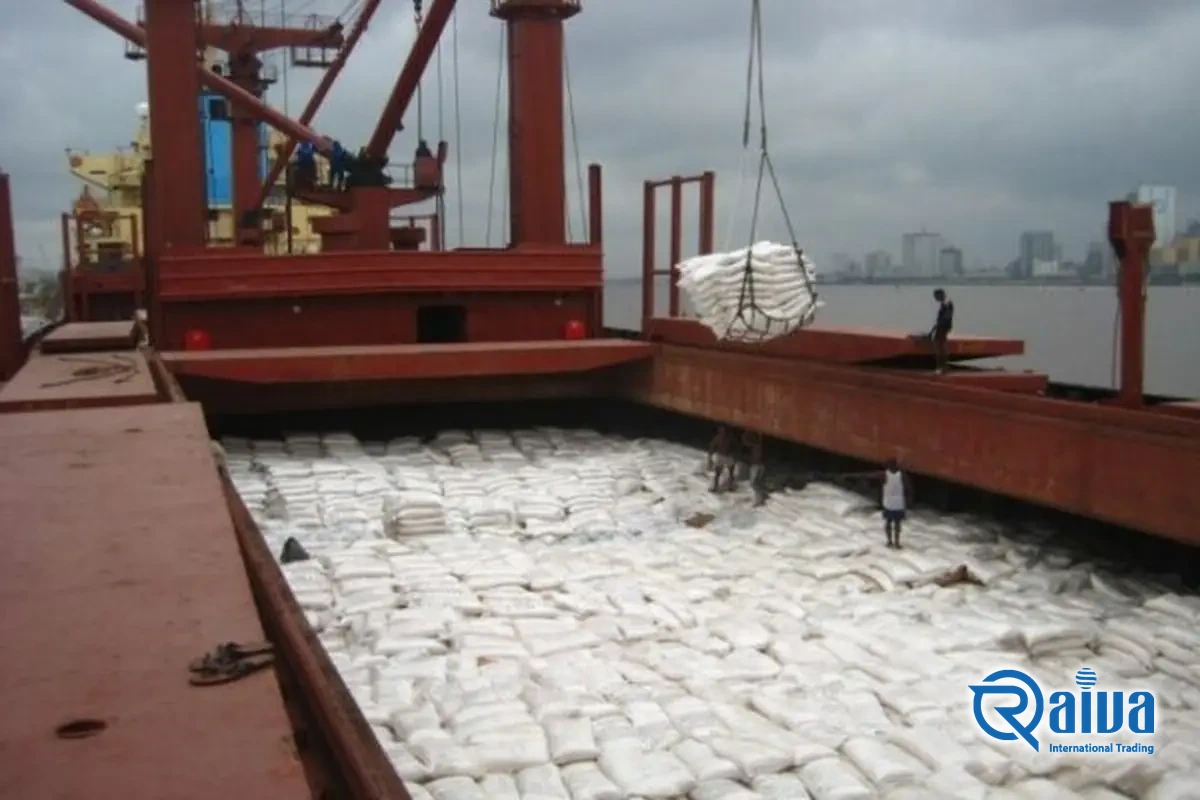
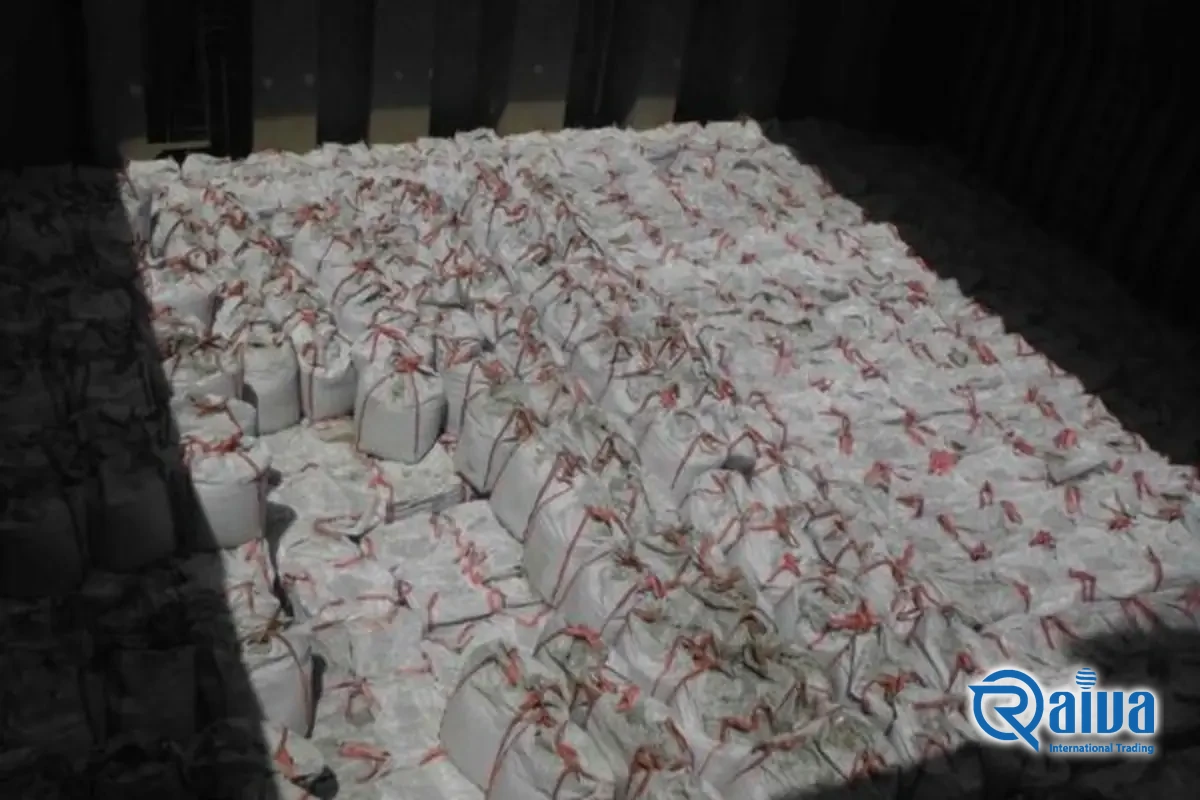
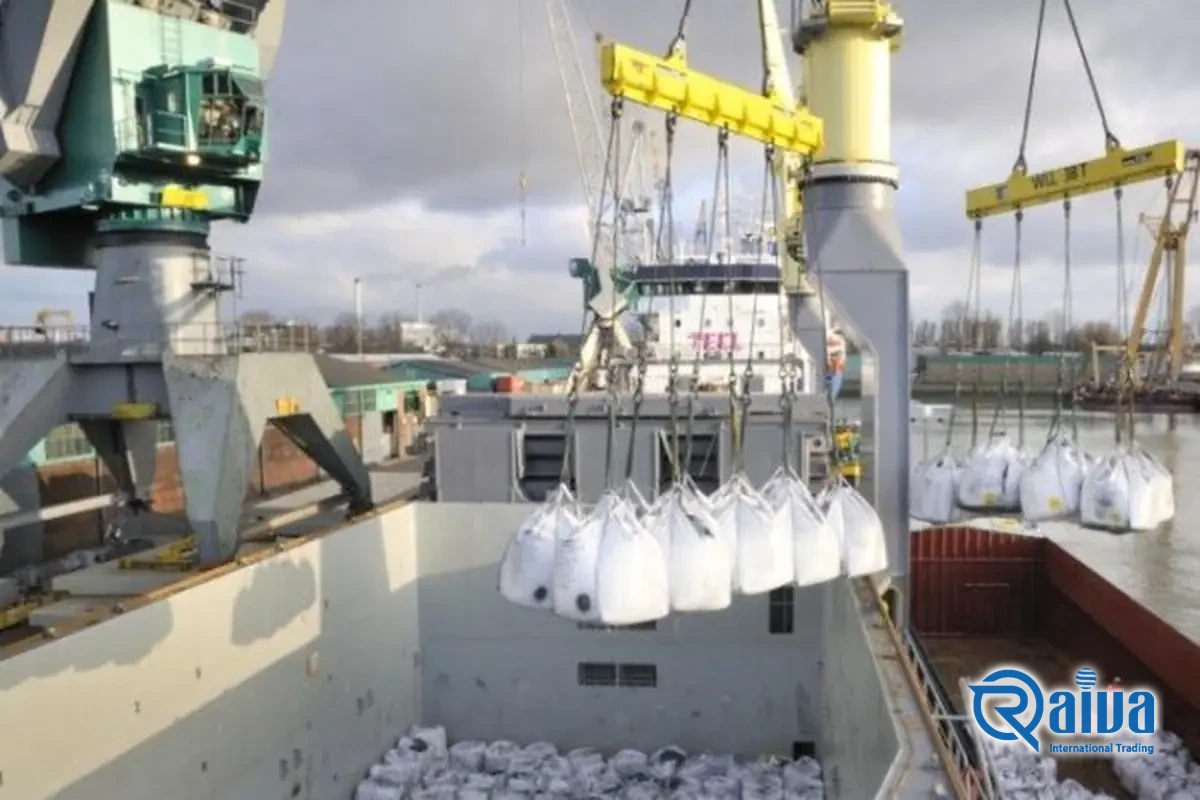
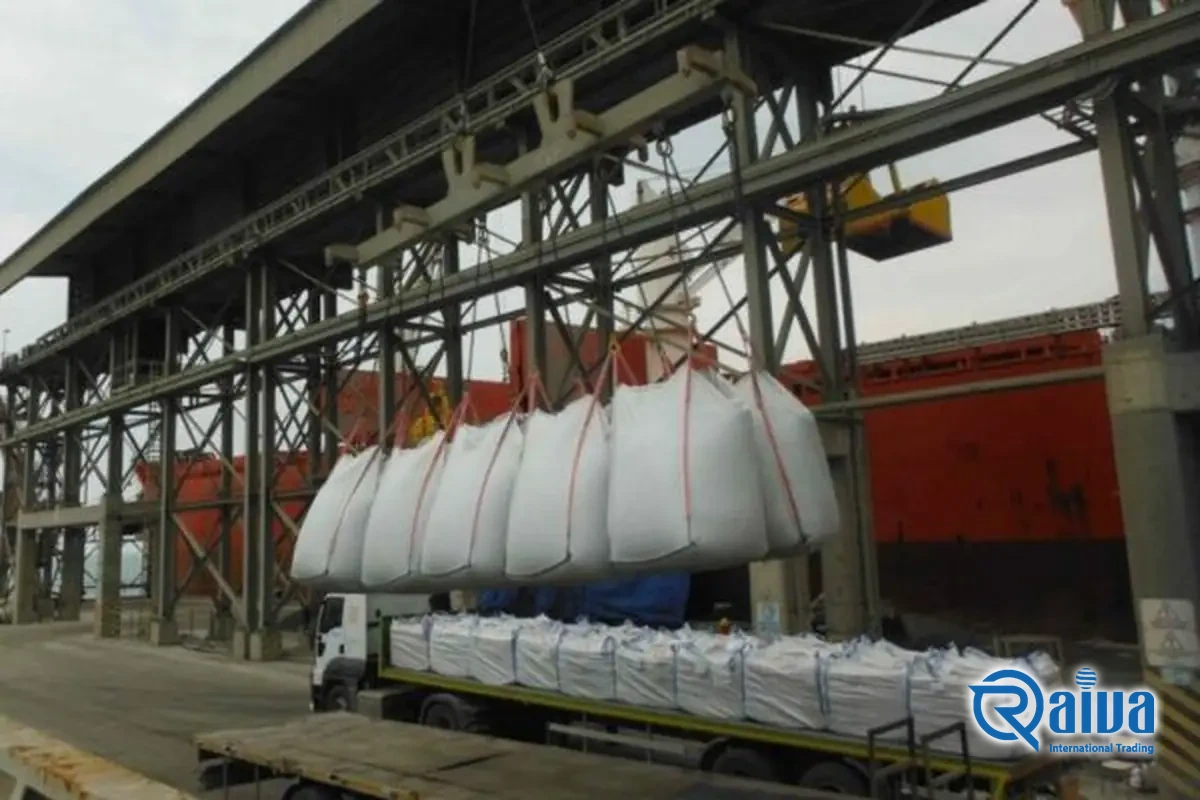
Material as it is stored, graded and loaded for export.
Packaging, Logistics & Trading Terms
How we bag, certify and ship Portland cement. Terms can be adapted by agreement — tell us what your operation needs.
- Minimum Order Quantity
- 1 × 20 ft container (approx. 25 MT) bagged. 500 MT minimum for bulk vessel. Trial quantities available for qualification.
- Packaging
- Bulk, 1.5 MT jumbo bags, or 30 × 50 kg PP/paper bags loaded inside a jumbo bag for faster loading and discharge. Bulk vessel loading for tonnages above 25,000 MT.
- Incoterms & Loading Ports
- EXW, FOB, CFR and CIF (Incoterms® 2020) by sea, with standard loading at Bandar Abbas and Bandar Imam Khomeini; other ports by arrangement. DAP and FCA overland, by truck and rail through Iran’s land borders.
- Quality Certification
- Batch-specific mill certificate with every shipment covering the full chemical analysis and physical tests. SGS / Bureau Veritas inspection at buyer’s cost.
- Lead Time
- 7–14 days for standard grades after order confirmation; 15–25 days for custom-milled or specially packed material.
- Storage & Handling
- Store in a dry, covered warehouse, bags off the ground and away from walls. Cement absorbs atmospheric moisture, which causes lump formation and progressive strength loss. Use within 3 months of production for full rated strength; shelf life is nominally 6 months in sealed bags under dry storage.
Certificate of Analysis
A batch-specific CoA is issued with every shipment. Third-party inspection by SGS, Bureau Veritas or an inspector of your choice can be arranged at the buyer’s cost.
Ready to quote
Send us your grade, tonnage, destination port and packaging and we will return a firm FOB/CFR/CIF price with lead time.
Request a Type I-425 Quote