

API Class G HSR Well Cement Supplier & Exporter
Class G HSR API Spec 10A-2019 · High Sulfate Resistant
API Class G high sulfate-resistant well cement tested to API Spec 10A-2019 — thickening time 105 minutes, 8-hour compressive strength 570 psi at 38 °C and 1945 psi at 60 °C, free fluid 3.03% and C₃A held to 1.90%. The basic well cement for primary and remedial cementing across a wide depth and temperature range using accelerators or retarders.
 C₃A 1.90%
Supply capability at a glance
105 min
Thickening time (spec 90–120)
1945 psi
8 h CS at 60 °C (min 1500)
1.90%
C₃A content (max 3)
Per batch
Quality control test report
Physical Properties
Standard
API Spec 10A-2019
HS Code
2523.29
Blaine Fineness
3260 cm²/g
Slurry Density
119 pcf
Free Fluid
3.03%
Max Consistency
21 Bc
Synonyms: Class G Cement, Oil Well Cement, OWC, HSR Well Cement, API 10A Cement · Basic well cement usable from surface to intermediate depths with additives.
Six-digit WCO heading — national subheadings vary by destination.
Grades & Chemical Analysis
Full physical and chemical test results for API Class G HSR well cement, each shown against the API Spec 10A-2019 criterion it is measured against.
Physical Tests — Result against API criterion
Class G — Slurry Performance
- Thickening time (100 Bc)
- 105 min (spec 90–120)
- 8 h CS @ 60 °C, atmos.
- 1945 psi (min 1500)
- 8 h CS @ 38 °C, atmos.
- 570 psi (min 300)
- Free fluid
- 3.03% (max 5.9)
- Max consistency, 15–30 min
- 21 Bc (max 30)
- Blaine fineness
- 3260 cm²/g
- Slurry density
- 119 pcf
- Autoclave expansion
- 0.07% (max 0.8)
Tested to API Spec 10A-2019 under an accredited quality control laboratory. Values are typical batch results; a batch-specific test report is issued per shipment.
Bespoke Supply
Need Class H or a moderate sulfate-resistant grade?
API Class H for deeper wells and Class G in the MSR variant can be sourced. Send us your well profile, bottom-hole circulating temperature and target thickening time and we will confirm the right class and lead time.
Applications
Class G is the workhorse of well cementing — a basic cement designed to accept whatever additive package the well actually needs.
Primary Casing Cementing
Surface, intermediate and production casing strings.
Zonal Isolation
Sealing productive zones and preventing crossflow.
Squeeze Cementing
Remedial repair of casing leaks and channels.
Liner Cementing
Cementing liners in deviated and horizontal sections.
Plug & Abandonment
Permanent barriers on well decommissioning.
Kick-off & Cement Plugs
Sidetrack kick-off plugs and lost circulation control.
Water Well Cementing
Annular seals in water and geothermal wells.
Sulfate-Rich Formations
HSR chemistry for aggressive downhole brines.
Slurry Design Base
Base cement for extended, densified and foamed systems.
Product Gallery
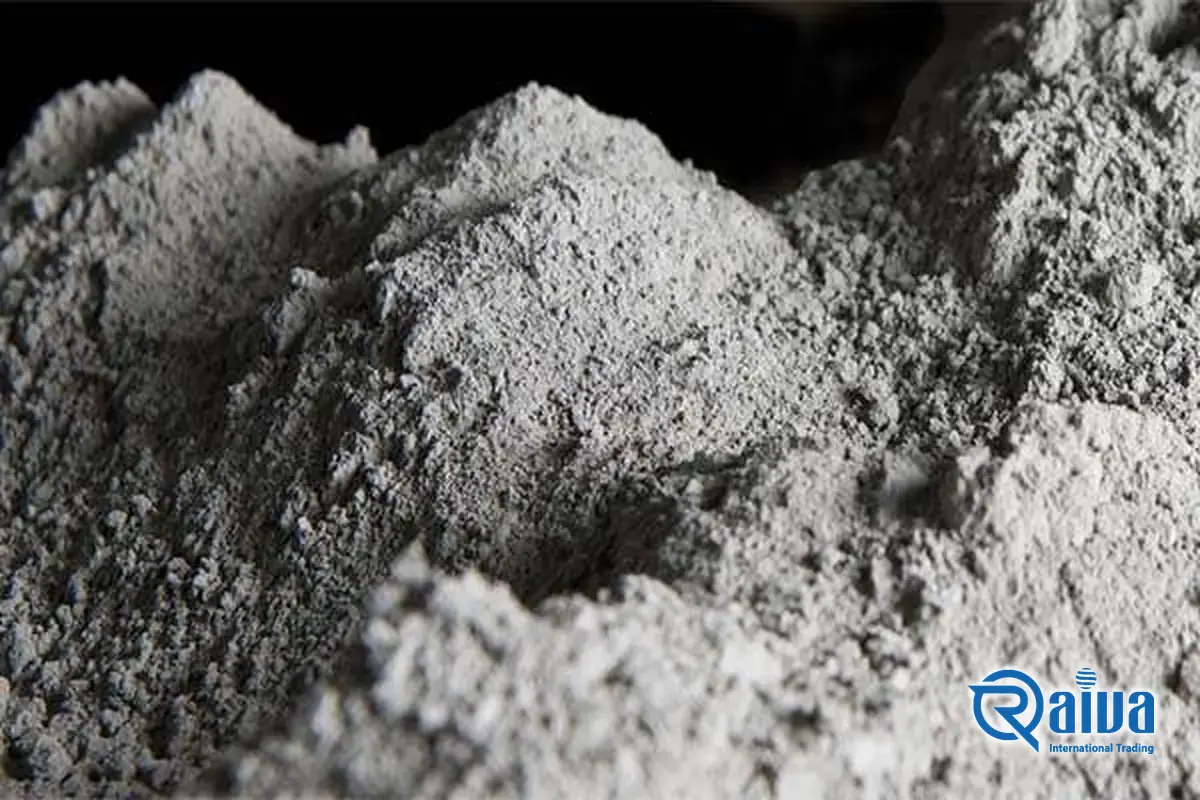
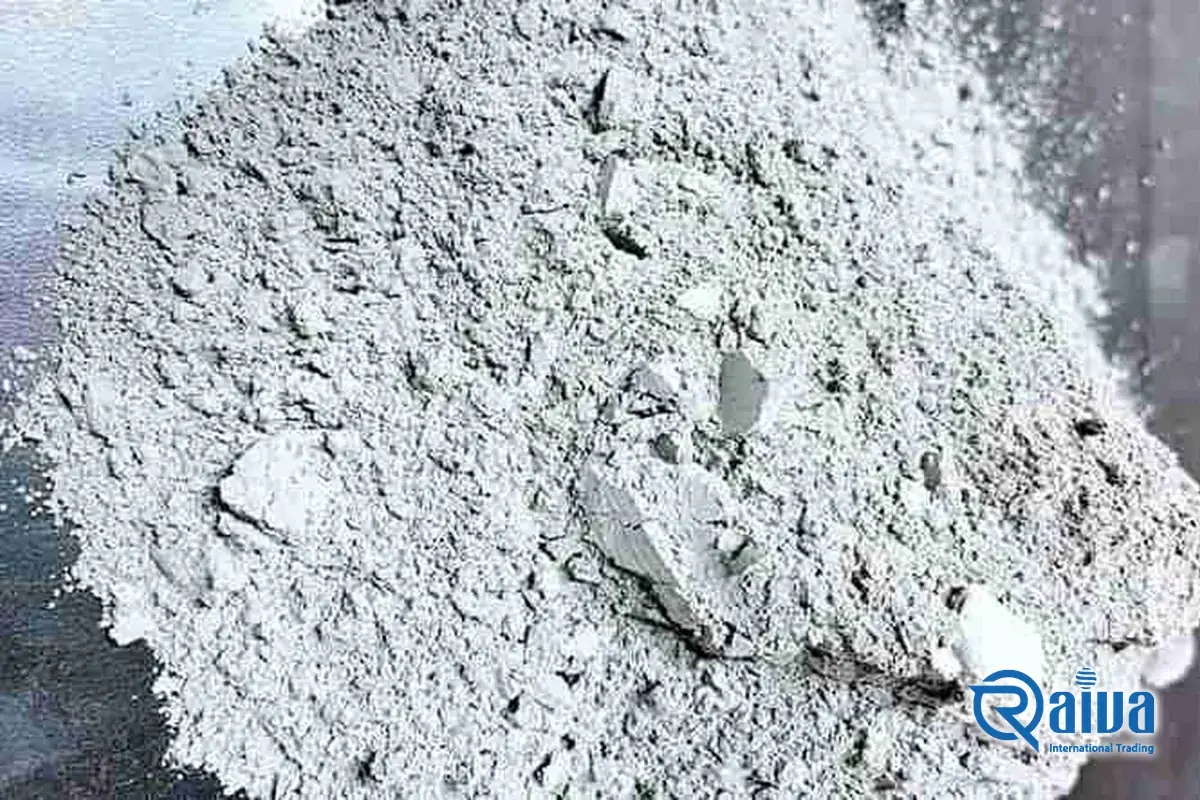
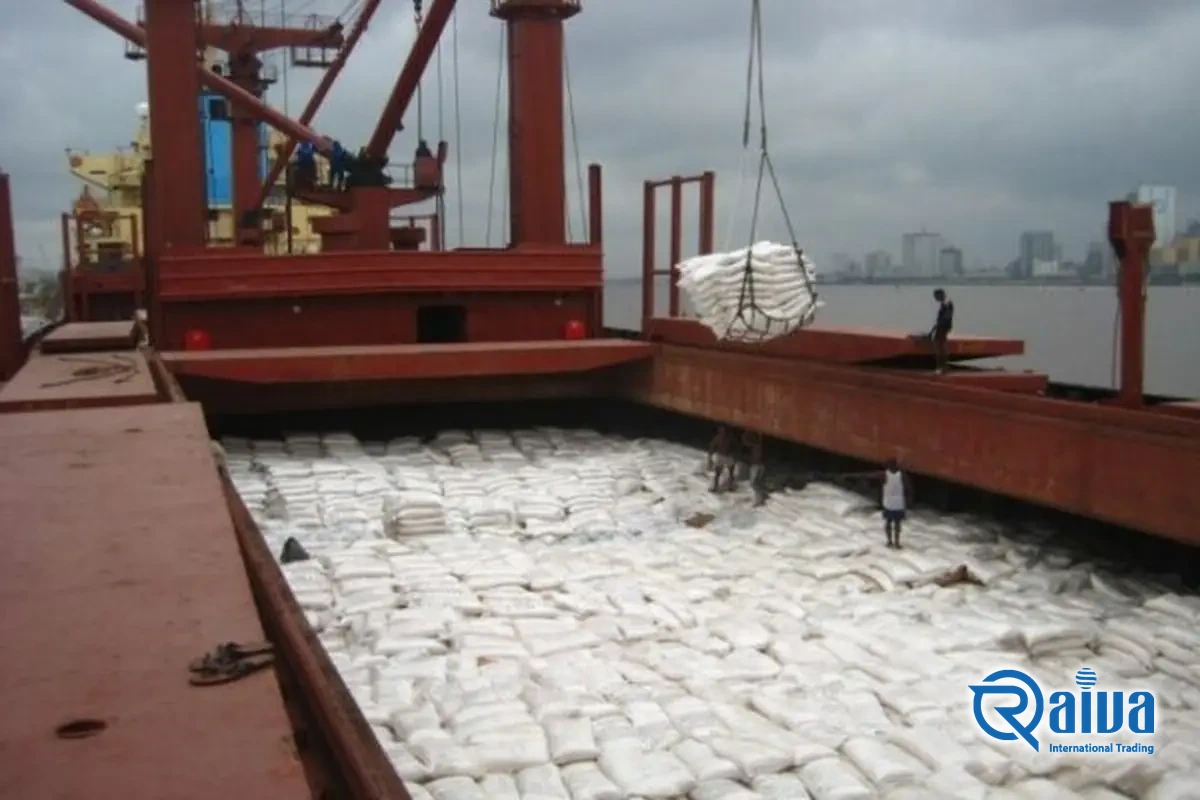
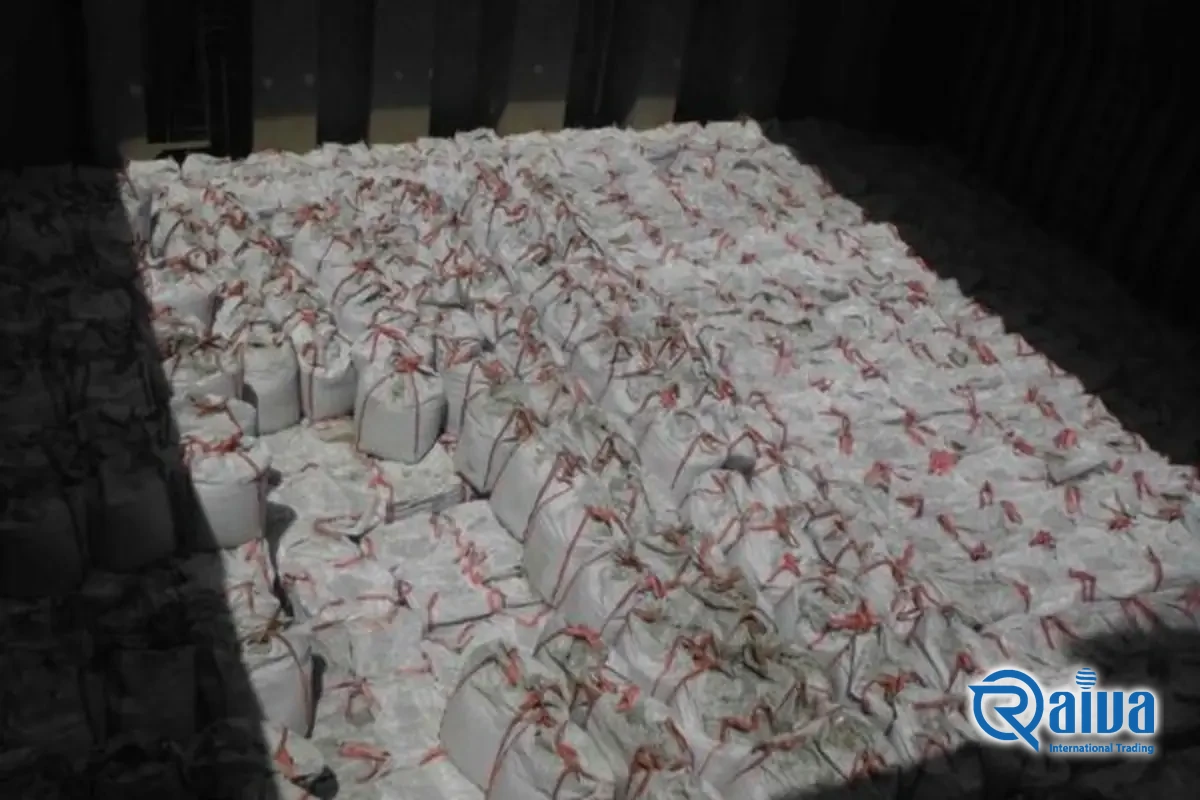
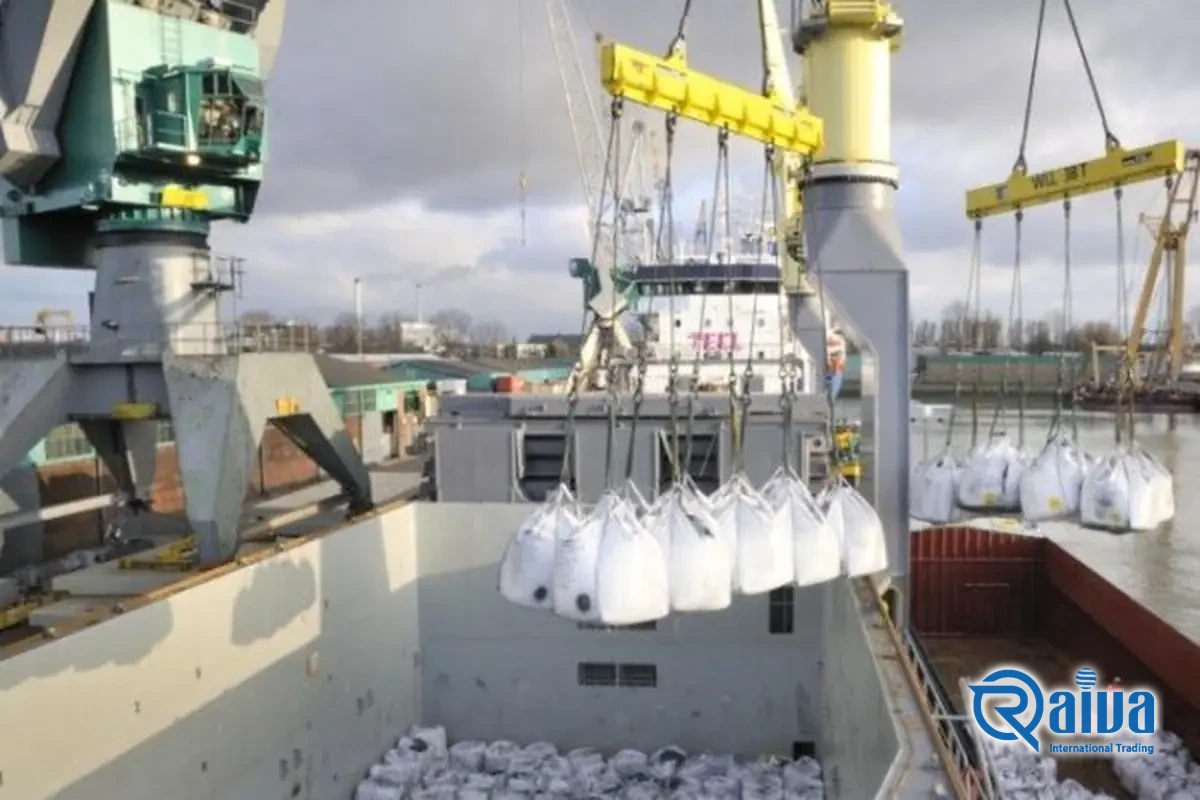
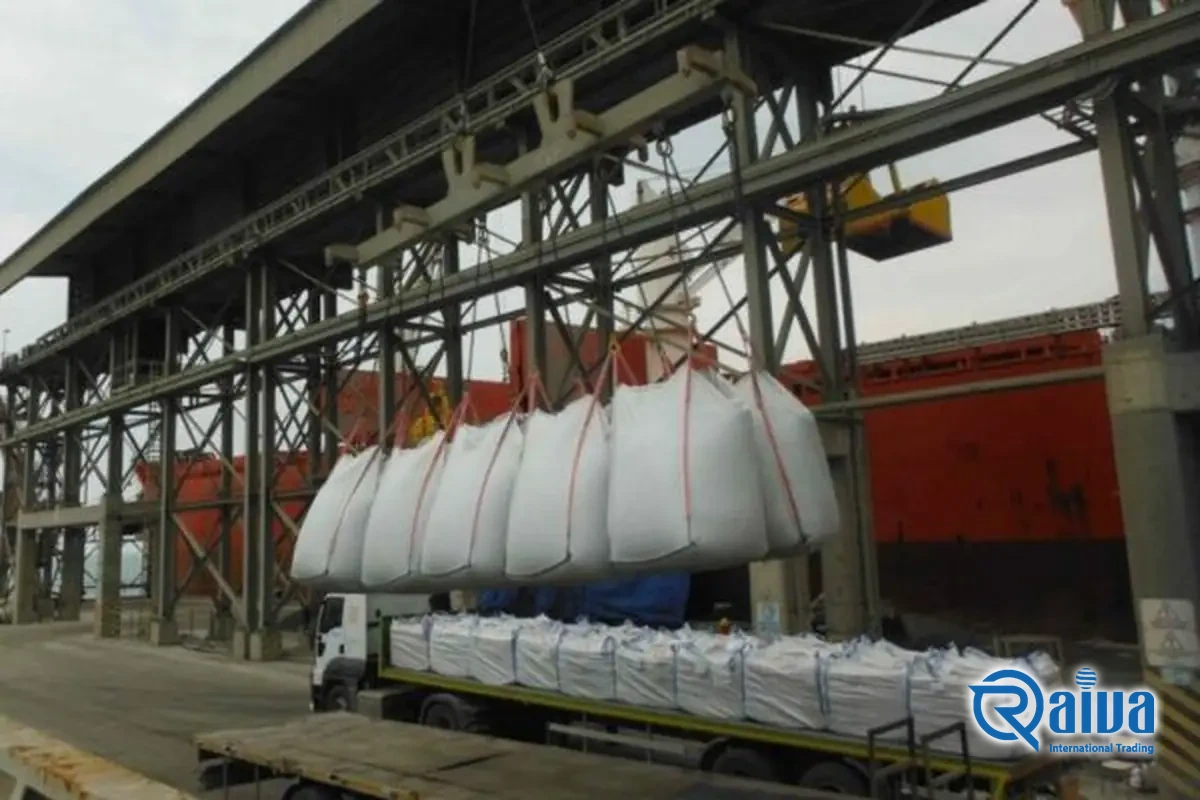
Material as it is stored, graded and loaded for export.
Packaging, Logistics & Trading Terms
How we package, certify and ship API Class G cement. Terms can be adapted by agreement — tell us what your operation needs.
- Minimum Order Quantity
- 1 × 20 ft container (approx. 25 MT) bagged. 500 MT minimum for bulk vessel. Trial quantities available for slurry-design qualification.
- Packaging
- Bulk pneumatic tanker, 1.5 MT jumbo bags, or 50 kg moisture-barrier bags. Bulk delivery to wellsite silos can be arranged on regional contracts.
- Incoterms & Loading Ports
- EXW, FOB, CFR and CIF (Incoterms® 2020) by sea, with standard loading at Bandar Abbas and Bandar Imam Khomeini; other ports by arrangement. DAP and FCA overland, by truck and rail through Iran’s land borders.
- Quality Certification
- Batch-specific API Spec 10A-2019 quality control test report with every shipment, covering thickening time, free fluid, compressive strength at 38 and 60 °C, and the full chemical analysis.
- Lead Time
- 7–14 days for standard grades after order confirmation; 15–25 days for custom-milled or specially packed material.
- Storage & Handling
- Store in sealed, moisture-tight conditions. Well cement performance is far more sensitive to pre-hydration than construction cement — even slight moisture pickup shifts thickening time and can compromise a cement job. Retest before use if storage exceeds 6 months.
Certificate of Analysis
A batch-specific CoA is issued with every shipment. Third-party inspection by SGS, Bureau Veritas or an inspector of your choice can be arranged at the buyer’s cost.
Ready to quote
Send us your grade, tonnage, destination port and packaging and we will return a firm FOB/CFR/CIF price with lead time.
Request a Class G Quote